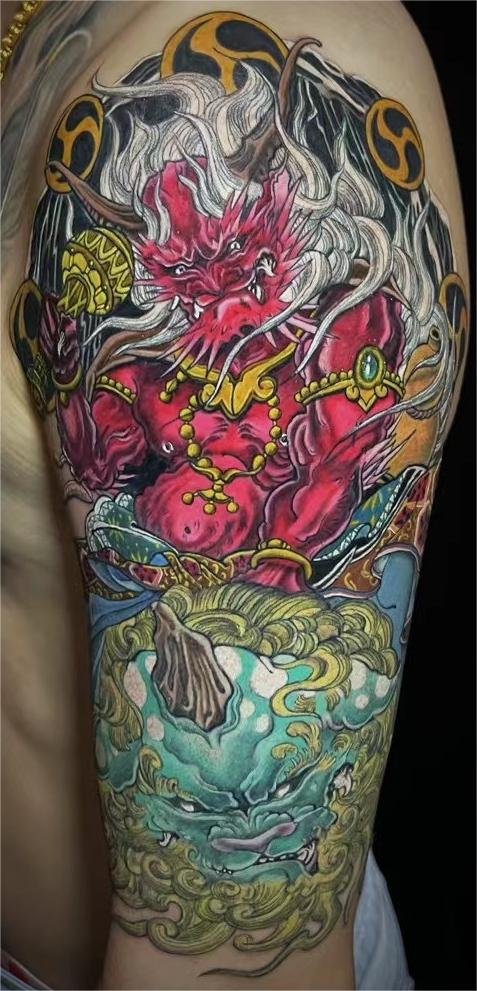
A cover-up is not a new image pasted over an empty background. The old lines and dark areas remain constraints. The replacement may need to extend beyond them so its main subject reads as a whole.
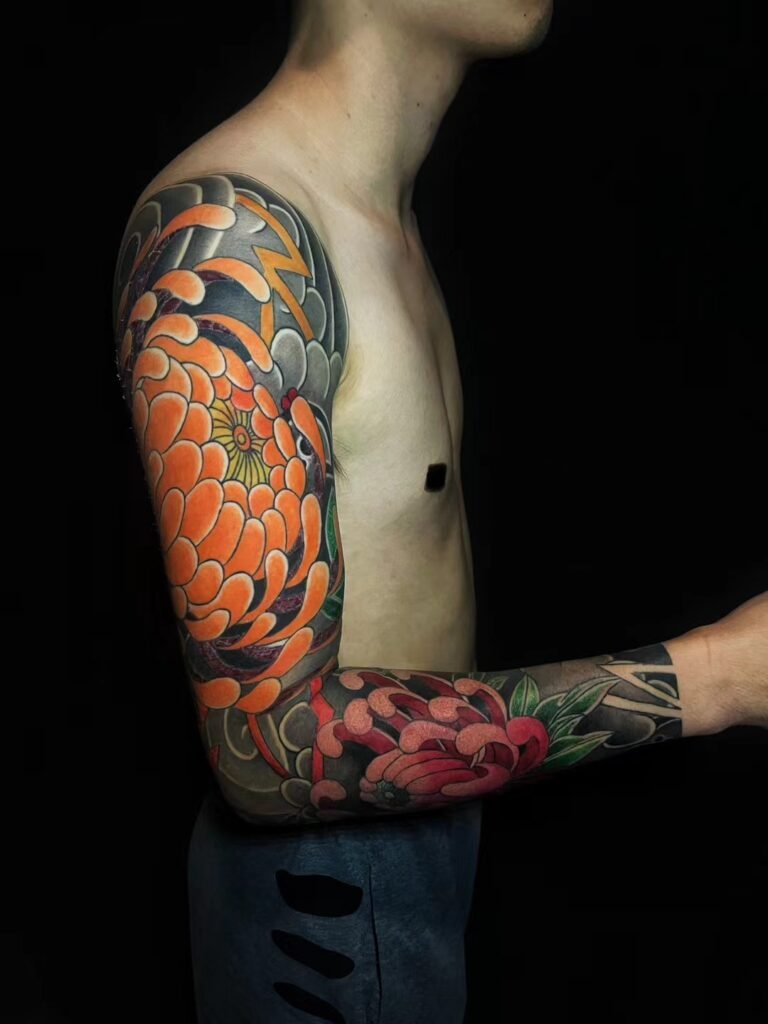
Let the old ink shape the new plan
Dense leaves, fabric folds or shaded backgrounds can sometimes accommodate existing marks. A pale open petal or bare face may not. The artist needs to place these forms in relation to your actual tattoo, not just choose a bigger design from a catalogue.
- Send a straight-on photo in even light, without filters.
- Include a wider view of the body area and a size reference.
- Mark the maximum boundary you are willing to tattoo.
- Explain whether colour, darker shading or a new subject is acceptable.
Ask to see the overlap
Have the artist explain where the darkest old lines sit in the draft and which areas must remain dark. If the proposed result is much larger or denser than you want, do not accept it just to avoid another consultation. Other approaches may deserve assessment.
A useful draft review
Ask the artist to identify the old ink on the proposed drawing. You should be able to see why a darker leaf, shaded fabric or background section sits in a particular place. If a pale central subject overlaps the darkest old area, ask how that conflict will be managed rather than assuming the new colour replaces the old one.
Compare the replacement at its full proposed size on the body. It may conceal the old mark more convincingly while occupying much more skin than you expected. That extra commitment is part of the decision. If you do not like the necessary size, subject or darkness, stop at assessment and consider a different path.
For a redesign discussion with Yuyi Tattoo, prepare a custom tattoo brief that shows the entire old tattoo and the surrounding area. Photographs start the assessment; they do not guarantee a cover-up result.