A tattoo pain chart is a planning tool, not a promise. Outer arms, forearms, thighs and calves are commonly easier places to start. Ribs, sternum, feet, joints and soft inner areas are often more intense. Your sleep, stress, session length and individual sensitivity can change the experience as much as the body map.
So this chart uses relative groups instead of pretending every person has the same one-to-ten scale.
Commonly easier placements
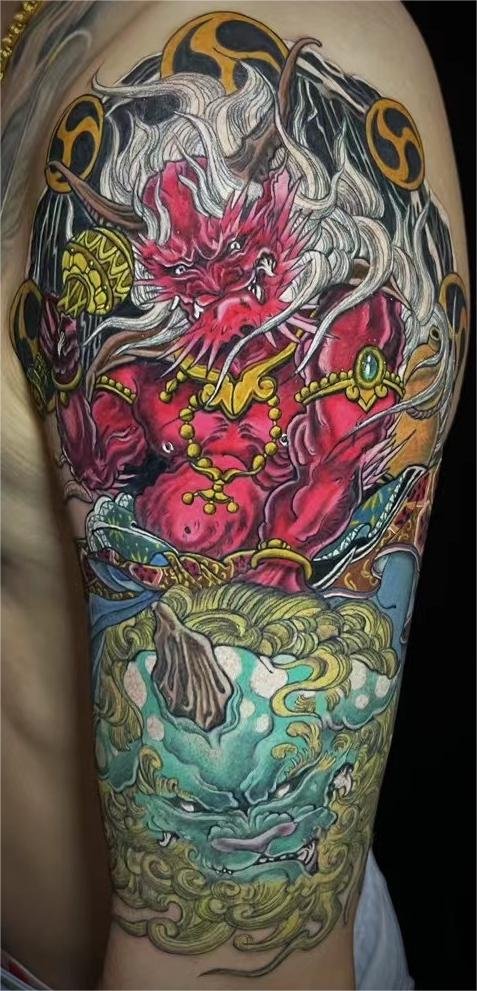
Outer forearm and outer upper arm
These areas usually offer a stable working surface with more padding than a wrist, elbow or inner arm. They are also easy to see while the stencil is being positioned. That makes them practical first-tattoo placements when the design suits the shape.
Outer thigh and calf
Both areas can carry a clear, medium-sized composition without forcing detail into a narrow strip. The sensation can still build during long shading, but the placement is often less sharp than areas close to bone or a joint.
Upper back away from the spine
The upper back offers space and a relatively broad surface. The trade-off is that you cannot watch the work, and holding one position for a long session may become tiring.
“Easier” never means painless. It only means these placements are commonly more manageable than the groups below.
Placements that often feel sharper
Wrist, ankle and collarbone
There is less padding between the skin and bone. The sensation may feel sharper or more vibrational, although smaller designs in these areas can keep the session shorter.
Inner forearm and inner upper arm
The skin is softer and the area is more sensitive for many people. A design that crosses from the outer arm to the inner arm can therefore feel different without the machine or technique changing.
Chest near the sternum
The upper chest can be manageable away from the centre. Moving towards the sternum and collarbone usually increases the intensity because the work is closer to bone.
More demanding placements
Ribs and sternum
These areas combine limited padding with movement from breathing. The client still has to breathe normally while the artist needs a predictable working surface. That combination, rather than toughness, is why careful planning matters.
Feet, toes and hands
These placements can feel sharp and are also exposed to movement, friction and daily use. Pain is only one part of the decision; the design’s long-term readability and the practical healing environment matter too.
Elbow, knee and the surrounding folds
Joints bring bone, movement and awkward positioning into the same session. The ditch behind a knee or inside an elbow is a different experience from the padded area beside it.
Spine and other bony lines
Vibration can travel through the area and feel larger than the exact point being tattooed. A narrow design may be brief, but a long spine composition is still a long session.
What changes the experience
Placement is only one variable.
- Session length: discomfort accumulates. A placement that feels manageable early can become tiring later.
- Type of work: line work, soft shading and dense colour do not feel identical.
- Position: staying still in an awkward pose can become harder than the needle sensation.
- Stress and fatigue: arriving tense or exhausted can make a session feel longer.
- Individual sensitivity: two people can describe the same placement very differently.
This is why useful first-tattoo planning considers the subject, placement, scale and session together.
Do not choose a placement by pain alone
A low-pain area is a poor choice if the design fights the anatomy. A slightly more sensitive placement may carry the composition far better.
Look at the existing tattoo work at normal viewing size, not only zoomed-in details. Then compare the direction with the artist’s approach to body movement and composition. The aim is not to prove you can tolerate a difficult spot. It is to put the image where it belongs.
Before using numbing products
Do not apply a numbing product without discussing it first. Products, skin conditions and individual reactions vary, and a tattoo artist cannot replace a medical professional. If you have a condition, allergy or medication that makes you unsure, speak with a healthcare professional before the appointment.
The FDA notes that tattooing can cause infection, allergic reactions and other skin problems. Seek medical care if a tattoo is not healing, a rash develops, redness spreads or you develop fever or significant swelling.
Quick answers
What is usually the least painful place for a first tattoo?
Outer forearm, outer upper arm, outer thigh and calf are commonly easier starting points. The right choice still depends on the design and your body.
What placements are usually the most painful?
Ribs, sternum, feet, bony joints and soft inner areas are frequently described as more intense. There is no universal ranking.
Should I make the tattoo smaller to reduce pain?
Not automatically. Shrinking a detailed design can damage readability. It is better to simplify the design or plan the session after the artist reviews the placement.
Can anyone guarantee how much it will hurt?
No. A chart can compare tendencies, but it cannot predict your exact experience.
Plan the placement before the date
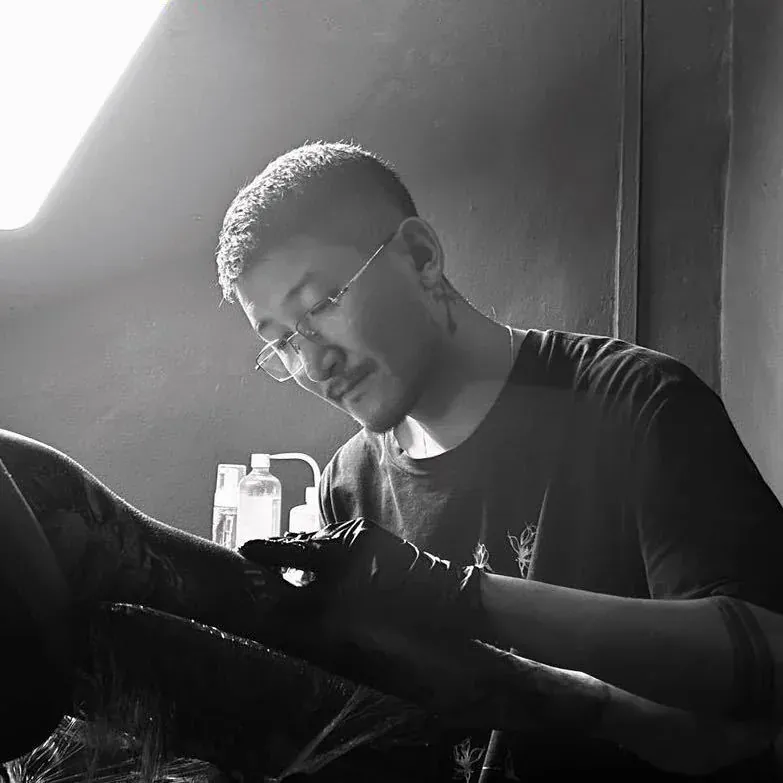
Send a reference, a clear photo of the body area and an approximate size. That gives Yuyi enough information to discuss whether the design and placement support each other.
Ask about your placement on WhatsApp or use the contact page.
Source
This placement guide reflects general studio planning, not a medical pain scale. It was reviewed on 25 July 2026.