
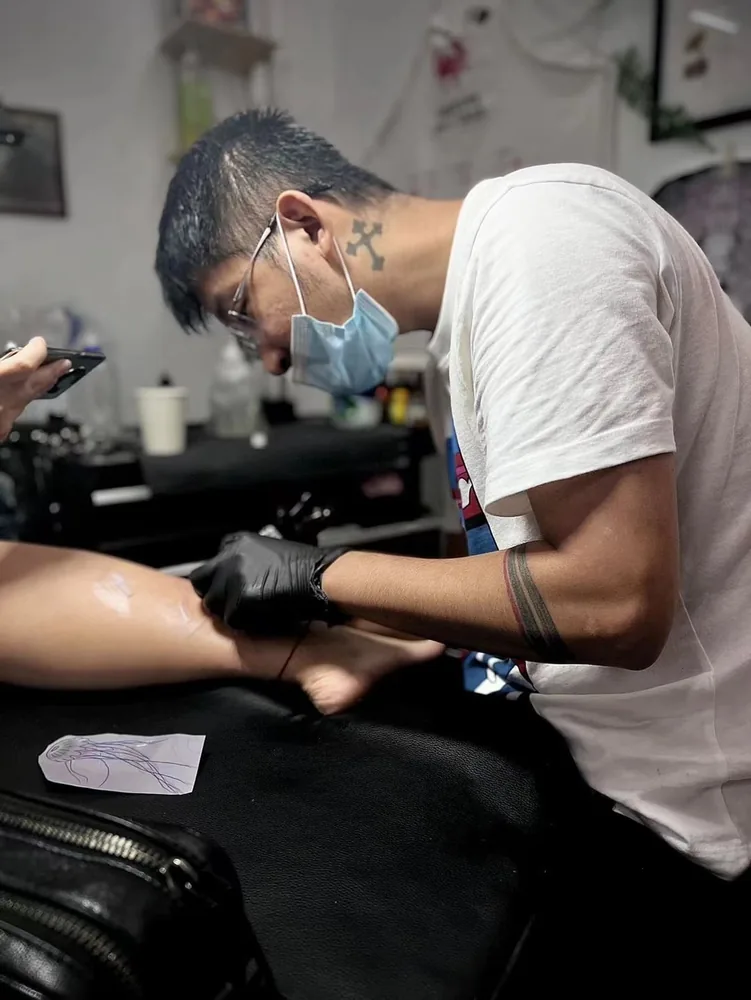
How soon can I fly after tattoo work is not a question with one universal waiting period. It depends on the tattoo size, placement, how your skin looks after the session, the length of the flight, your health, and whether you can keep the area clean and protected from rubbing while you travel.
For many travellers, the flight itself is less of a rule than a comfort and aftercare problem. A fresh tattoo may be sensitive under tight clothing, backpack straps, seat belts or long sitting. Long-haul flights can add dry cabin air, limited movement, sweat during airport transfers and awkward bathroom access. If you are unsure, ask your tattoo artist for aftercare instructions for your exact placement and ask a doctor if you have a medical condition that affects circulation, healing, infection risk or safe travel.
Why there is no single flight rule
Tattoo aftercare advice is usually written around skin care, not airline timetables. A tattoo creates a controlled wound in the skin. The early goals are to keep it clean, avoid friction and soaking, protect it from sun, and watch for signs that are getting worse rather than better.
Air travel does not change those basics. What changes is your ability to follow them. A one-hour regional flight in loose clothing is different from a long-haul flight after a full-day back piece. A small upper-arm tattoo under a soft sleeve is different from a rib tattoo under a tight waistband and shoulder bag. A healthy traveller with a straightforward piece is different from someone with diabetes, immune suppression, a history of blood clots or a skin condition.
So the better question is: can you travel without rubbing, soaking, overheating, ignoring aftercare or missing warning signs? If the answer is unclear, do not force a booking date around the flight.
What flying changes for a fresh tattoo
Flying after tattoo work can affect comfort in several practical ways.
First, airport days are not just the time in the aircraft. They include transport to the airport, queues, security, carrying bags, waiting at gates and sitting for long periods. The tattoo may be pressed by straps, belts, denim seams, luggage handles or the seat itself.
Second, aircraft cabins have lower humidity than normal indoor spaces. The CDC Yellow Book discusses this mainly in relation to eye and upper-airway discomfort; it does not set a tattoo-specific rule. Follow the routine your artist gives you rather than adding extra product because the cabin feels dry.
Third, cleaning is less convenient. Airport and aircraft bathrooms are small, busy and not ideal places for careful aftercare. If the tattoo needs cleaning soon after a long transfer, plan where that will happen. Sometimes the hotel bathroom before departure is better than trying to manage everything mid-flight.
Fourth, long sitting can be uncomfortable for tattoos on the thigh, calf, ribs, back or hip. If the skin is sore or swollen, a cramped seat can make the first aftercare period feel harder than it needs to be.
Tattoo before long haul flight: questions to ask first
If you are considering a tattoo before long haul flight travel, send the flight details when you discuss the appointment. The studio does not need your full itinerary, but it does need to know if you plan to board a long flight soon after the session.
Ask these questions before you commit:
- Will this placement rub against seat belts, waistbands, bra lines or backpack straps?
- What clothing should I wear on the flight?
- What should I do if the tattoo feels dry, sticky or irritated during the travel day?
- When should the first cleaning after the session happen?
- Are there symptoms that would make flying unwise until I get medical advice?
- Would a consultation-only visit fit this trip better than a full tattoo session?
Do not ask for a universal number of hours. Ask for a plan that matches the tattoo, your body and your flight.
Clothing and carry-on planning
Clothing is often the biggest comfort factor for air travel with fresh tattoo work. Choose soft, loose fabric that does not rub directly over the tattoo. Avoid tight denim, scratchy seams, compression garments over the area, tight waistbands and straps that press repeatedly on the skin.
For a shoulder or upper-back tattoo, think about backpack straps. For a thigh tattoo, think about sitting, seams and the edge of the seat. For a calf or ankle tattoo, think about socks and shoes. For a rib or chest tattoo, think about bras, fitted tops and shoulder bags. For a forearm tattoo, think about armrests, tables and luggage handles.
Pack a small, simple aftercare kit that follows the artist’s instructions. Keep it compliant with airline liquid rules if you are carrying it through security. Do not pack a new product you have never used just because a travel forum recommended it. A flight is not the best time to test an unknown cream on irritated skin.
If your artist gives written instructions, save them on your phone. If the area will be covered, ask how to handle that covering during travel. Do not replace studio instructions with improvised wrapping at the airport.
Movement, hydration and medical factors
Long flights are also hard on the rest of the body. Public-health guidance commonly advises travellers to move their legs, avoid sitting completely still for long periods, and take extra care if they have risk factors for blood clots. This is general travel health advice, not a tattoo-specific diagnosis.
A fresh tattoo can make movement less comfortable if it sits near the knee, ankle, hip or rib cage. That is one reason timing matters. If normal in-flight movement would pull, rub or hurt the tattoo, discuss that before booking.
Drink water as you normally would for travel. If your artist or doctor gives you a specific instruction because of your health or medication, follow that instead of general online advice.
If you have a condition that affects wound healing, blood flow, immune function, fainting, clotting risk or safe flying, speak with a doctor before planning a tattoo close to a flight. The same applies if the tattoo is unusually red, hot, swollen, painful, leaking thick discharge, or if you feel feverish or unwell before travel.
Check travel rules before you reach security
Airport screening, dressing questions and hand-luggage limits are controlled by the airport, airline and security staff, not by the tattoo studio. Check the current rules for your departure airport and carrier before packing aftercare products. If a dressing or limited movement may affect screening, explain the situation and follow staff instructions rather than relying on a general tattoo article.
What to watch for before boarding
Normal early tattoo healing can include tenderness, mild redness, warmth and some fluid in the first period after the session. The direction should gradually improve. Worsening symptoms deserve attention, especially before a long trip away from the studio.
Seek medical advice before flying if you notice spreading redness, increasing heat, worsening pain, swelling that seems to be growing, thick yellow or green discharge, a foul smell, red streaks, fever, chills or feeling generally unwell. A rash, hives or strong reaction across the tattoo can also need medical care.
This is not about diagnosing yourself at the gate. It is about not ignoring a problem because a ticket is already booked. If symptoms are concerning, speak with a healthcare professional. If the issue is about dressing, cleaning or ordinary tattoo care, message the artist.
When to schedule the appointment around a flight
Instead of asking for a fixed waiting period, choose timing that gives you room to follow aftercare calmly. Avoid placing the tattoo immediately before a travel day if the placement will be rubbed by luggage, straps or seating. Avoid a late session if you need to pack, sleep little and leave for the airport early.
If the tattoo is the main reason for the trip, build the trip around it. If it is an extra plan during a holiday, do not place it where it conflicts with a beach day, long flight or formal clothing. For first-time clients, read the first tattoo guide for Singapore and discuss flight timing before confirming the session.
You can also review tattoo healing stages and then ask which parts apply to your tattoo, your travel day and your placement.
Continue planning with Yuyi Tattoo
If you plan to fly soon after a session, contact Yuyi Tattoo before booking. Include your flight date, flight length, placement, size range and any activity that may affect aftercare. Yuyi Tattoo is located in Geylang, Singapore. Confirm the appointment by WhatsApp on +65 9128 0501 before travelling to the studio. Open 24 hours does not guarantee walk-in space or Yuyi’s availability for a specific project.
Sources and review date
- CDC Yellow Book — Air Travel — reviewed 24 August 2026.
- CDC — Blood clots and travel — reviewed 24 August 2026.
- American Academy of Dermatology — Caring for tattooed skin — reviewed 24 August 2026.
- Cleveland Clinic — Tattoo aftercare tips from a dermatologist — reviewed 24 August 2026.
Frequently asked questions
How soon can I fly after tattoo work?
There is no universal waiting period that fits every tattoo and traveller. The useful question is whether you can keep the tattoo clean, protected from friction and comfortable for the airport and flight. Ask your tattoo artist about your placement and ask a doctor if your health affects healing or safe travel.
Is flying after tattoo work dangerous?
Flying is not automatically dangerous because of a tattoo, but a fresh tattoo can make travel less comfortable and harder to care for. Concern rises if the tattoo is worsening, infected-looking, heavily irritated, or if you have medical risk factors. In those cases, get medical advice before flying.
Can I take a long-haul flight after a tattoo?
Avoid a long-haul flight immediately after tattooing, especially after a large piece. Discuss the timing before booking rather than treating a flight date as proof that travel will suit a fresh tattoo. Long-haul travel means more sitting, drier cabin air, more luggage handling and fewer clean places for aftercare. Tell the studio about the flight before booking and choose clothing that avoids rubbing the tattoo for many hours.
What should I wear on a flight with a fresh tattoo?
Wear soft, loose clothing that does not press on the tattoo. Avoid straps, waistbands, seams, denim, tight shoes or compression over the area unless a healthcare professional has advised otherwise for a separate reason. Think about the seat belt and luggage straps, not just the clothing itself.
Should I clean my tattoo on the plane?
Follow the instructions given by your artist. If cleaning can be done properly before leaving for the airport or after arrival, that may be more practical than using a cramped aircraft bathroom. If the tattoo becomes dirty or soaked, clean it as gently as the instructions allow.
Who should I ask if I am unsure about flying?
Ask the tattoo artist about aftercare, covering, clothing and ordinary healing for your placement. Ask a doctor about medical conditions, infection symptoms, medication, clotting risk, immune issues or whether you are fit to fly. Those are different questions and both may matter.

