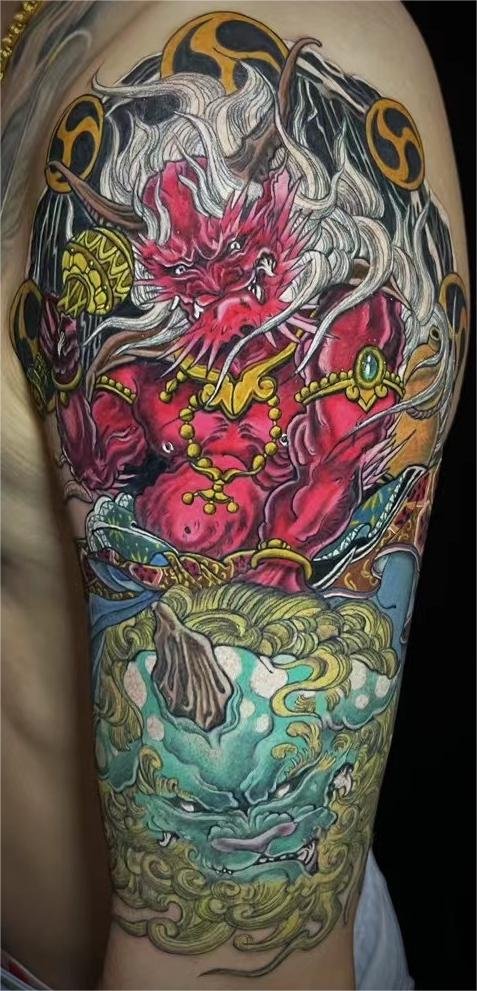
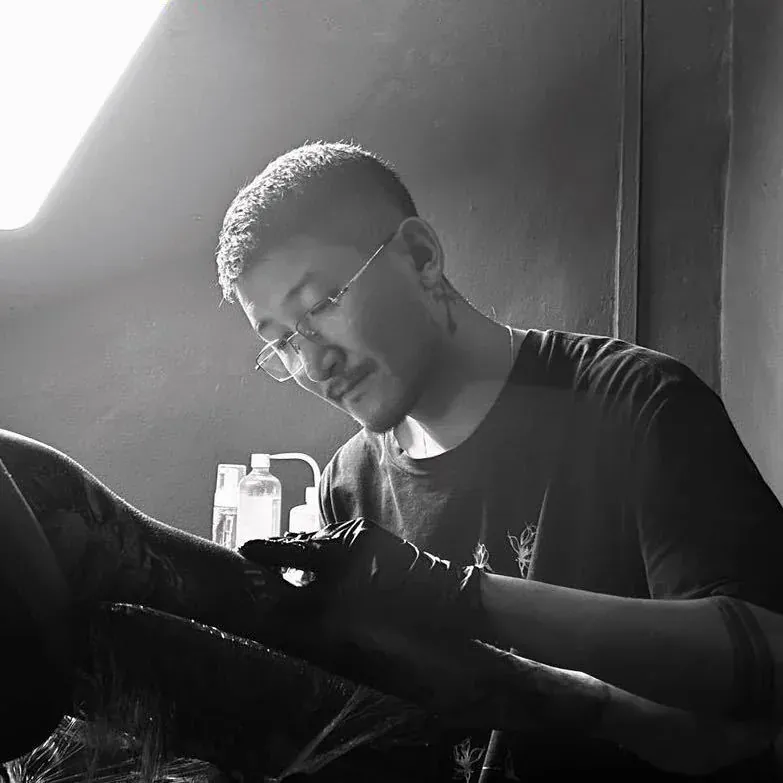
Tattoo healing stages describe the predictable changes your skin goes through after ink is placed: early redness and weeping, followed by peeling and flaking, then gradual settling as colour stabilises. Most people see surface healing in two to four weeks, while deeper layers continue to remodel for months.
This article is not a diagnosis and does not replace the specific aftercare instructions your artist provides. If anything looks or feels wrong, contact your artist promptly and seek medical care for urgent symptoms.
Healing varies—this guide is not a diagnosis
Every body heals differently. Size, placement, skin type, session length and aftercare habits all influence how a tattoo progresses. Health authorities describe tattoo healing as a multi-stage process but avoid fixed deadlines because individual timelines vary.
Use this page as a cautious, source-backed hub to understand what is commonly observed, what to avoid, and when to escalate. Always prioritise the written or verbal instructions you received for your specific tattoo.
The three broad phases: early, peeling/flaking and settling
Early phase (roughly days 0–3)
In the first 48 to 72 hours, the tattoo behaves like a superficial wound. Mild redness, warmth, tenderness and a small amount of clear or slightly yellow plasma are typical. The area may feel tight or look glossy as a thin film forms.
What helps:
- Wash gently with lukewarm water and a mild, fragrance-free soap, then pat dry with a clean paper towel.
- Apply only the amount and type of aftercare product your artist recommends.
- Keep bedding clean and avoid pressure or friction on the area.
Peeling and flaking phase (roughly days 4–14)
As the outer skin repairs itself, many tattoos begin to peel or flake like a mild sunburn. This commonly starts between days 3 and 7 and can last one to two weeks, though some people experience lighter or longer flaking. The tattoo may look dull, patchy or slightly cloudy while dead skin sheds.
Key points:
- Do not pick, peel or pull at flakes or scabs. Let them detach on their own to avoid pulling ink or creating scars.
- Continue gentle washing and switch to a light, unscented lotion once the surface has closed and stopped weeping, if that aligns with your artist’s advice.
- Itching often peaks in this phase. Resist scratching; use light tapping or a cool compress if needed.
Settling phase (roughly weeks 2–6 and beyond)
Once flaking subsides, a thin, slightly shiny or “silvery” layer may remain as the new epidermis matures. Colours can appear muted at first, then gradually regain saturation over several weeks. Surface healing is often reported around two to four weeks, but deeper dermal remodelling can continue for three to six months.
During this period:
- Maintain simple, consistent care: gentle cleansing, light moisturising if advised, and strict sun protection once the skin is fully closed.
- Avoid soaking, heavy friction and harsh products until the surface is completely smooth and intact.
Common observations versus warning signs
It helps to separate expected healing changes from signals that need attention.
Common, usually normal observations
- Mild redness limited to the tattoo and a narrow border around it in the first few days.
- Slight warmth, tenderness and tightness early on.
- Clear or slightly yellow plasma in the first 24 to 48 hours, drying into a thin film.
- Flaking, light scabbing and itching during the second week.
- Dull or cloudy appearance while peeling, then gradual improvement.
Warning signs that need prompt attention
Contact your artist for guidance if you notice any of the following, and seek medical care if symptoms are severe, spreading or accompanied by systemic signs.
- Redness that expands beyond the tattoo after the first 48 hours, especially if it keeps growing.
- Increasing pain, swelling or heat after day two to three instead of gradual improvement.
- Thick yellow, green or foul-smelling discharge, or pus draining from the area.
- Fever, chills, swollen or tender lymph nodes, or red streaks moving away from the tattoo.
- A raised, bumpy rash or hives across the tattoo, which may suggest an allergic reaction rather than infection.
If in doubt, err on the side of caution and get checked. Early assessment can prevent complications.
Washing, clothing, sleep, sun, exercise and swimming
These high-level habits support healing without prescribing specific products or schedules. Always follow your artist’s instructions first.
Washing and daily care
- Wash hands before touching the tattoo.
- Clean the area gently with lukewarm water and a mild, fragrance-free soap, then pat dry with a clean paper towel.
- Avoid scrubbing, loofahs, alcohol-based toners or harsh exfoliants on or near the tattoo.
Clothing and friction
- Choose loose, breathable clothing that does not stick to or rub the tattoo.
- For areas under straps, waistbands or seams, adjust clothing to reduce pressure during the first two weeks.
Sleep and bedding
- Sleep on clean sheets and avoid direct pressure on the tattoo in the first week if possible.
- If the tattoo tends to stick to fabric, follow your artist’s advice on covering it loosely with clean, breathable material.
Sun exposure
- Keep new tattoos out of direct sunlight until fully healed. UV exposure can irritate healing skin and fade ink over time.
- Once the skin is completely closed and smooth, apply a broad-spectrum SPF 30–50 daily and reapply as needed.
Exercise, sweat and movement
- Light movement is usually fine, but avoid activities that cause heavy sweating, friction or stretching over the tattoo in the first week.
- Shower soon after workouts to remove sweat and bacteria, then pat the area dry gently.
Swimming, baths, hot tubs and saunas
- Avoid swimming pools, the sea, lakes, hot tubs, saunas and long baths until the surface is fully healed. Soaking can introduce bacteria and soften scabs excessively.
- Showers are generally acceptable; keep them moderate in temperature and duration.
Singapore heat and humidity: practical adjustments
Singapore’s tropical climate means higher heat, humidity and sweat levels, which can affect comfort and hygiene during healing.
Practical tips:
- Wear loose, breathable fabrics such as cotton to reduce sweat buildup and friction.
- If you sweat heavily, gently rinse the area with lukewarm water and pat dry more frequently, without over-washing or scrubbing.
- Keep indoor spaces well ventilated and use fans or air-conditioning to stay cool, especially during sleep.
- Be extra cautious with sun exposure. Cover the tattoo with clothing when outdoors and apply sunscreen only once the skin is fully closed and smooth.
If you notice persistent maceration (skin staying overly soft and soggy), excessive stickiness or a rash that worsens in humid conditions, reduce occlusive products and contact your artist for advice. Seek medical care if signs of infection appear.
When to contact your artist and when to seek medical care
Your artist knows your tattoo and their technique best. Contact them if:
- You are unsure about any part of your aftercare instructions.
- You notice unexpected flaking patterns, patchiness or concerns about colour retention once healed.
- You need clarification on when to resume specific activities such as swimming, intense training or sun exposure.
Seek medical care promptly if you experience:
- Worsening redness, swelling, pain or heat after the first 48 to 72 hours.
- Pus, foul odour, or discharge that is thick and yellow or green.
- Fever, chills, swollen lymph nodes or red streaks spreading from the tattoo.
- A widespread rash, hives or difficulty breathing, which may indicate an allergic reaction.
This article does not diagnose infection or prescribe treatment. A clinician can assess your skin, consider your medical history and provide appropriate care.
A simple day-by-day observation log (no treatment advice)
Use this template to track what you see and feel. Bring it to your artist or clinician if you need guidance.
- Day 0 (tattoo day): Note size, placement, bandage type and time applied. Record initial redness, warmth and any oozing.
- Day 1: Note changes in redness, swelling, tenderness and any plasma. Record washing frequency and products used.
- Day 2: Note whether redness and warmth are stable or reducing. Record any new symptoms such as itching or tightness.
- Day 3: Note if the surface is drying, forming a thin film or starting to flake. Record sleep quality and any friction from clothing.
- Days 4–7: Note onset of peeling or flaking, itch intensity and any scabbing. Record sun exposure, sweat and activity levels.
- Days 8–14: Note how peeling progresses, whether the tattoo looks dull or cloudy, and when flakes detach naturally. Record any concerns about colour or texture.
- Weeks 3–6: Note when the surface feels smooth, when shine or “silver skin” fades, and how colour appears in different lighting. Record return to swimming, intense sun or heavy training.
This log is for observation only. It does not replace professional advice or your artist’s instructions.
Planning your next step with Yuyi Tattoo
If you are considering a new piece or refining an idea, follow the specific aftercare instructions provided for your tattoo and contact Yuyi when those instructions are unclear. For urgent symptoms, see a clinician.
You can read the first tattoo guide for Singapore for foundational advice, see the Geylang tattoo studio to understand the environment, and send Yuyi your tattoo idea to start a conversation. For direct messaging, use WhatsApp at message Yuyi on WhatsApp
Sources and review date
- Mayo Clinic — Tattoos: Understand risks and precautions — reviewed 20 August 2026.
- Cleveland Clinic — Tattoo infection — reviewed 20 August 2026.
- Dudley Group NHS — Medical tattooing aftercare advice — reviewed 20 August 2026.
Frequently asked questions
How long do tattoo healing stages usually take?
Surface healing commonly occurs within two to four weeks, with peeling and flaking often concentrated in the second week. Deeper skin layers continue to remodel for three to six months, during which colour and texture gradually settle. Timelines vary by person, placement and aftercare.
When does the tattoo peeling stage start and how long does it last?
Peeling typically begins between days 3 and 7 and can last one to two weeks, though some people experience lighter or longer flaking. The tattoo may look dull or patchy while dead skin sheds, then improve as new skin forms. Do not pick at flakes or scabs.
Is it normal for a new tattoo to itch during healing?
Yes. Itching is common during the peeling and flaking phase as the outer skin repairs itself. It often peaks around days 7 to 10. Avoid scratching; use light tapping, a cool compress or a moisturiser if your artist approves. Seek advice if itch is accompanied by a spreading rash or hives.
How can I tell if my tattoo is infected or just healing normally?
Normal healing shows mild, improving redness, warmth and tenderness in the first few days, followed by peeling and gradual settling. Warning signs include worsening redness after 48 hours, increasing pain or heat, thick yellow or green discharge, foul odour, fever, chills or red streaks. If these appear, contact a clinician promptly.
When can I swim, train heavily or expose my tattoo to sun?
Avoid swimming, hot tubs, saunas and long baths until the surface is fully healed. Limit heavy sweating and friction in the first week, and keep the tattoo out of direct sunlight until completely closed. Once smooth and intact, use daily broad-spectrum SPF 30–50 and reapply as needed.
What should I do if my aftercare instructions are unclear?
Follow the specific instructions provided for your tattoo first. If anything is unclear or conflicting, contact your artist for clarification before making changes. For urgent symptoms such as spreading redness, pus, fever or red streaks, seek medical care without delay.