Spine tattoo pain is among the most acute sensations in tattooing because the vertebral column features thin skin, minimal subcutaneous fat, and dense sensory nerve endings. Yet back tattoo pain is never uniform across the torso, ranging from manageable muscular vibration across the shoulder blades to intense nerve firing directly over the spinal vertebrae. Managing a major back piece successfully requires understanding regional anatomy, table positioning, and realistic session pacing.
Planning a substantial tattoo involves separating pure needle sensation from positional fatigue. While clients often worry primarily about needle discomfort along the spine, holding a fixed prone posture for several hours can present an equal physical challenge.
Why back tattoo pain is not a single sensation
The human back spans several distinct anatomical environments rather than one continuous canvas. While the muscular outer areas over the latissimus dorsi or trapezius absorb needle vibration with moderate discomfort, the central column transmits continuous mechanical resonance into the bone. You can use the tattoo pain chart to examine how back sensitivity compares with other areas of the body.
Three primary biological factors govern why sensation fluctuates sharply across a single back piece:
- Nerve density and spinal roots: Sensory nerves branch directly outward from the spinal cord between the vertebrae, creating heightened cutaneous sensitivity along the midline.
- Tissue cushioning: Areas cushioned by thick muscle fibres dampen the mechanical vibration of the tattoo machine, whereas bony ridges leave nerves compressed against bone.
- Skin thickness and mobility: The skin across the lower back and flanks is more elastic and subject to movement during breathing, requiring steady stretching that changes surface tension.
Understanding these variations prevents surprises during multi-hour appointments. An outline passing over the shoulder blade will feel noticeably different just centimetres away when crossing the centre of the spine.
Comparing anatomical zones across the back
Each section of the back presents a unique combination of needle sensation, skeletal resonance, and practical endurance requirements.
| Anatomical Zone | Relative Sensitivity | Tissue \& Nerve Profile | Primary Practical Challenge |
|---|---|---|---|
| Upper Back \& Trapezius | Moderate | Thick muscular padding; lower nerve density | Muscular tension and shoulder hunching |
| Shoulder Blades (Scapula) | Moderate to High | Thin tissue over flat bone; high vibration | Involuntary twitching from bone resonance |
| Spine \& Vertebrae | Very High | Direct bone proximity; dense spinal nerve roots | Acute stinging and systemic physical fatigue |
| Lower Back (Lumbar) | High | Sensitive skin; proximity to sacrum and hips | Heightened tenderness during extended sitting or lying |
| Rib Flanks \& Lat Edges | Very High | Thin skin over moving ribs; intense nerve endings | Involuntary breathing shifts and rib sensitivity |
The upper back and shoulder blades are generally the most manageable starting zones because muscle bulk absorbs much of the machine force. However, once the needle moves toward the cervical or thoracic vertebrae along the centreline, the sensation shifts to a sharp, electric vibration that radiates across the back.
The lower lumbar region introduces another layer of sensitivity. Skin on the lower back tends to be softer and more sensitive to continuous wiping, making prolonged shading sessions demanding on personal endurance.
Managing spine tattoo pain through posture and positioning
During extended back appointments, physical discomfort often stems from postural strain rather than the tattoo needle alone. Lying face down on a massage table compresses the ribcage, strains the neck, and tightens the lumbar spine over time.
Effective session management relies on ergonomic support and clear communication:
- Prone positioning adjustments: Using contoured chest supports and forehead pillows prevents excessive cervical extension and allows unobstructed breathing throughout the session.
- Controlled diaphragmatic breathing: Deep, steady breathing calms the autonomic nervous system, helping to regulate involuntary muscle tensing when working near the spinal column.
- Timed micro-breaks: Pausing briefly every 90 to 120 minutes allows blood circulation to return to compressed joints and gives the nervous system a reset.
- Immediate verbal signalling: Informing the artist before coughing, swallowing deeply, or adjusting posture ensures precision linework remains undisturbed along the spine.
Physical endurance diminishes noticeably after three to four hours of continuous work. Recognising the difference between normal tattoo discomfort and overwhelming muscle cramp helps maintain a safe, productive session.
Design scale and tattoo session spacing for large projects
A comprehensive back tattoo is rarely executed in a single sitting. Dividing substantial compositions into distinct phases protects skin integrity, supports proper healing, and keeps physical discomfort manageable. When clients plan a large-scale tattoo project, establishing a realistic rhythm between appointments is essential for consistent progress.
Large-scale work typically progresses through structured stages:
- Structural outline: The primary linework establishes the composition, perspective, and anatomical landmarks across the back in the initial session.
- Background shading and contrast: Secondary sessions develop deep black tones, atmospheric gradients, or heavy saturation around the outer zones.
- Focal details and rendering: Intricate foreground elements, character details, and fine textures are layered once adjacent background areas have fully settled.
Spacing appointments several weeks apart gives the dermal layers adequate time to recover before neighbouring skin is tattooed. Attempting to tattoo adjacent or overlapping sections too quickly increases skin irritation and elevates nervous system fatigue.
Practical preparation, clothing, and recovery logistics
Preparing your body before arriving at the studio significantly alters how you process discomfort during a prolonged session. Arriving well-rested, fully hydrated, and having eaten a substantial meal stabilises blood glucose levels, preventing lightheadedness and physical exhaustion.
Studio clothing choices require practical thought for back appointments:
- Wear loose, front-buttoning shirts or zip-up hoodies that can be worn backward to keep the chest warm while leaving the back accessible.
- Choose dark, soft fabrics that avoid irritating fresh skin and will not be ruined by accidental ink or fluid contact.
- Avoid tight waistbands, rigid undergarments, or rough synthetic materials that press against the lumbar region.
Post-session recovery on the back involves unique logistical considerations. Sleeping on your stomach or side prevents friction against fresh linen, while loose cotton tops minimise pressure on the treated area during daily movement. Keeping daily posture relaxed and avoiding heavy backpack straps preserves the skin during the initial recovery phase.
Structuring a full-back composition with Yuyi Tattoo
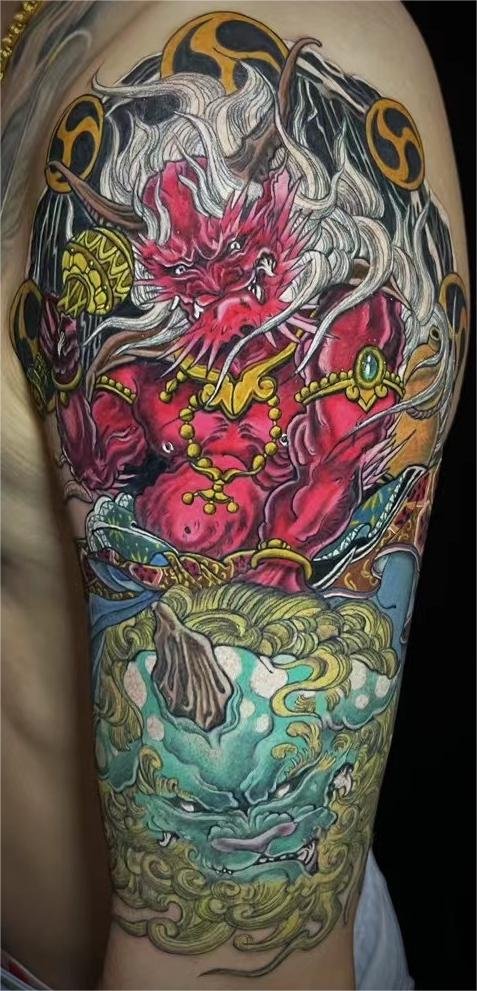
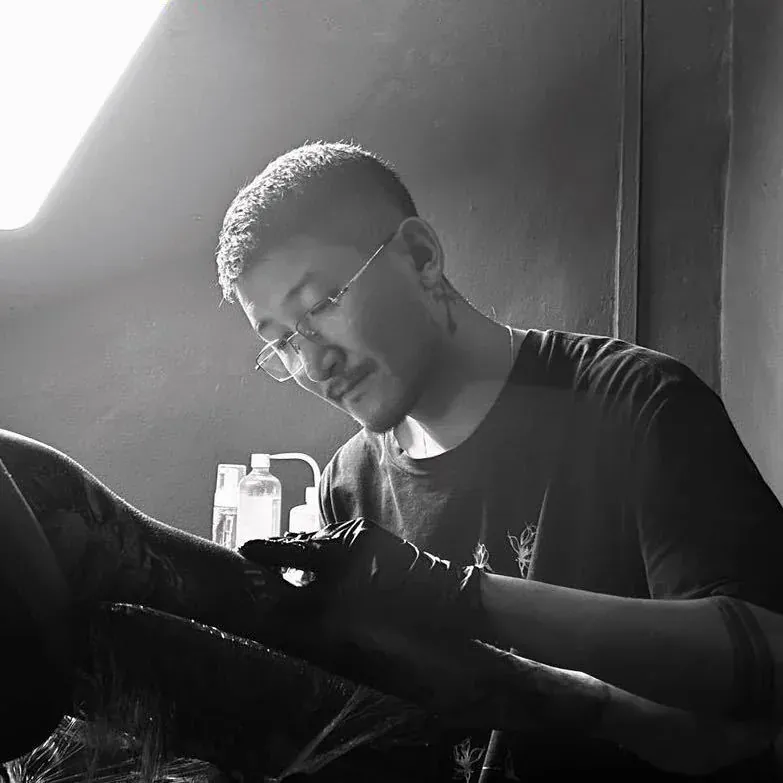
A successful full-back piece requires harmonising the natural curvature of the spine with balanced artistic composition. At Yuyi Tattoo, located at 388A Geylang Road in Singapore, large-scale projects are approached with deliberate fine-art planning. Yuyi, who received formal artistic training at the LuXun Academy of Fine Arts and has been tattooing since 2010, structures large compositions around the client’s unique musculature.
His background in large-scale black-and-grey realism, detailed portraits, and Asian-inspired themes earned recognition including Best Big Realism Pattern (1st Place) and Best Big New Traditional Back Pattern (2nd Place) at Tattoo Show Taipei 2017, as well as Best of Day (Saturday) at The Lion’s Gate Singapore Tattoo Convention 2024. Designing a back piece involves placing dense detail where skin stability is highest, while balancing high-contrast flow across the spine itself.
Before starting a significant back project, discussing the balance between design ambition and session pacing ensures a smooth process. You can send Yuyi your tattoo idea along with reference images to begin planning your layout.
Frequently asked questions
Why does spine tattoo pain feel sharper than other back areas?
The spine has virtually no subcutaneous fat cushioning the vertebrae, placing the tattoo needles in direct proximity to bone. In addition, major nerve pathways branch outward from the spinal cord, causing acute, vibrating sensations that can radiate across the ribcage and shoulders during tattooing.
How should I dress for a full back tattoo appointment?
Wear loose-fitting, comfortable clothing made of dark, breathable cotton. A zip-up hoodie or button-up shirt worn backwards allows the artist full access to your back while keeping your front covered and warm. Avoid tight waistbands or restrictive clothing that could press against fresh work.
How are long back tattoo sessions typically divided?
Large back pieces are generally divided into sequential phases: primary structural linework first, followed by background shading and solid fill, and concluding with detailed rendering and highlights. Sessions are typically spaced several weeks apart to ensure comfortable pacing and steady skin recovery between stages.
How can I prepare physically for a long back tattoo session?
Get a full night of sleep, drink plenty of water, and eat a substantial meal containing complex carbohydrates and protein one to two hours before your appointment. Bringing healthy snacks and staying relaxed through steady breathing helps maintain endurance throughout the sitting.
Can I lie on my back immediately after getting a spine tattoo?
Lying directly on a fresh back tattoo can cause friction, sweating, and uncomfortable pressure. It is generally recommended to sleep on your stomach or side during the initial recovery days and wear clean, loose cotton clothing to prevent fabric from sticking to the skin.
Plan your back piece consultation
If you are considering a spine tattoo or planning a comprehensive back piece, thoughtful composition and clear session structuring make all the difference.
To begin the discussion, reach out via WhatsApp with a clear, straight-on photograph of your back, your approximate target dimensions in centimetres, and any reference artwork or themes you have in mind.
Message Yuyi Tattoo directly on WhatsApp (+65 9128 0501) to discuss your ideas and schedule an initial consultation.