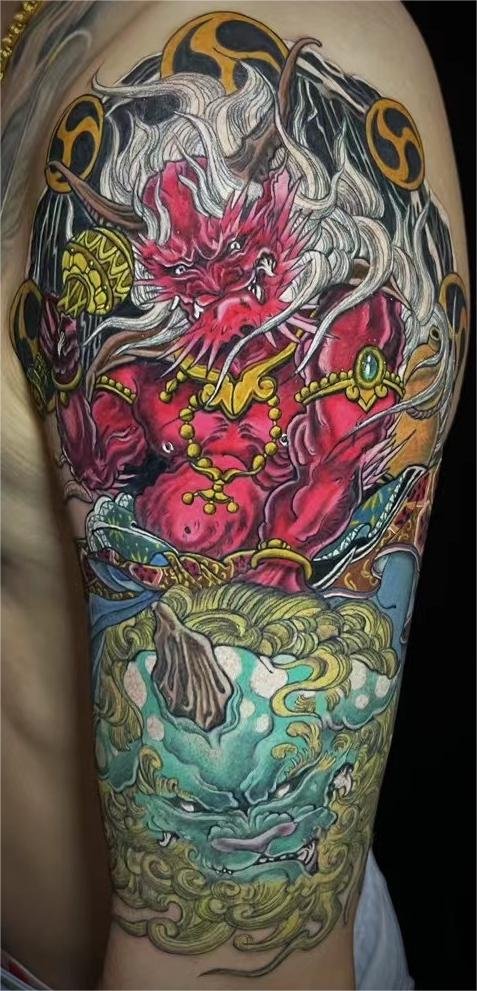
Do not swim while a tattoo is still healing. Wait until the surface is fully closed, smooth and symptom-free. Timing varies with the person, placement and project, so use the condition of the skin and qualified guidance rather than a universal countdown.
Showering is fine; soaking is not
A quick, lukewarm shower is part of normal tattoo aftercare in Singapore. Gentle water flow helps remove plasma and excess ink without softening the healing skin.
Soaking is different. Submerging a fresh tattoo in a bath, pool, ocean or hot tub keeps the area wet for a long time, which can lift scabs, introduce bacteria and delay re-epithelialisation (the process where new skin seals the surface). For planning purposes, treat any activity that fully covers the tattoo with standing or moving water as “soaking” and avoid it until the surface is fully healed.
Pools, sea, hot tubs and long baths: different risks
Not all water is the same. Chlorine, salt, heat and bacteria each create different problems for a healing tattoo, especially in Singapore’s tropical conditions.
| Water type | Main risks for a new tattoo | Practical guidance |
|---|---|---|
| Chlorinated pools (condo, hotel, public) | Chemicals and communal water can irritate healing skin. | Wait until the surface is fully healed, with no scabs, flakes, tenderness or open areas. |
| Sea and open water | Seawater is not sterile; sand, friction and sun add exposure. | Do not submerge a healing tattoo. Return only after the surface has fully healed and follow the guidance for your tattoo. |
| Hot tubs, jacuzzis, onsen and spa pools | Heat, prolonged soaking and communal water add avoidable exposure. | Treat these as the most conservative option and wait until the tattoo is fully healed. |
| Prolonged baths and soaking | Extended immersion softens scabs and can reopen the surface; bathwater is not sterile. | Short showers are fine; avoid long soaks until the tattoo has finished peeling and feels normal to the touch. |
Singapore’s year-round humidity means sweat and moisture linger on the skin longer than in drier climates. This does not change the basic rule—no soaking while healing—but it does make breathable clothing, gentle cleansing and careful drying more important day to day.
Why surface condition matters more than a fixed number of days
Many guides quote “2 weeks”, “3 weeks” or “4 weeks” as a universal countdown. Those numbers are useful for planning, but they are not a safety switch. Healing speed depends on size, placement, your skin, aftercare and how much the area is rubbed or soaked.
Instead of counting days alone, check the skin:
- The surface is fully closed with no open spots, cracks or weeping.
- Scabs have fallen off naturally; there is no active peeling.
- The area looks matte rather than shiny or wet, and is not raised or inflamed.
- There is no tenderness, heat, throbbing or unusual discharge.
If any of these signs are present, the tattoo is not ready for swimming, regardless of the calendar. For a structured view of what normal healing looks like week by week, review the tattoo healing stages.
Waterproof dressings do not make swimming safe
Transparent films and “second skin” style dressings can protect a fresh tattoo from incidental water contact, such as brief shower spray or accidental splashes. They are not designed for extended submersion.
During a swim, water pressure and movement can push water under the edges of even a well-applied dressing. Once water gets in, it can trap bacteria against the skin and soften the healing tissue. For this reason, no dressing should be treated as a guarantee that swimming is safe with a new tattoo.
If you must be around water before the tattoo is fully healed (for example, poolside at a resort), keep the area covered with clean, dry clothing when possible, avoid submersion, and follow your artist’s aftercare instructions closely. For first-timers, it helps to read the first tattoo guide for Singapore before booking.
Travel and holiday scheduling in and around Singapore
Singapore’s calendar is full of pool days, island trips and regional beach holidays. If swimming is a priority, plan your tattoo timing around it rather than hoping a dressing will bridge the gap.
Use these practical ranges as a starting point:
If your trip is fixed and you still want a tattoo, consider getting it after the main swimming activities, or choose a placement that will stay completely dry and covered during your water time. When in doubt, message the studio early to discuss timing. You can send Yuyi your tattoo idea and travel dates so the session can be scheduled sensibly.
Signs that mean you should seek artist or medical advice
Most tattoos heal without complications, but new ink is still an open wound in the first days. Seek advice promptly if you notice any of the following:
- Spreading redness that moves outward from the tattoo edges, increasing warmth or significant swelling.
- Pus, cloudy discharge, or an unpleasant odour from the area.
- Fever, chills, or feeling generally unwell alongside a painful, inflamed tattoo.
- Severe pain that worsens after the first few days rather than improving.
- A rash, hives or intense itching that suggests an allergic reaction to ink or products.
For aftercare questions specific to your piece, contact your artist first. If you suspect infection or have systemic symptoms, see a doctor or visit a clinic without delay. This article does not diagnose or prescribe treatment.
Pre-holiday tattoo timing checklist
Use this checklist when you have a trip with swimming already booked:
- List your key water days (pool, sea, hot tub) and the type of activities planned.
- Put the tattoo after the main water activities, or leave enough flexibility for the skin to heal fully without relying on a fixed date.
- Check your work, gym and climate: if you sweat heavily or wear tight gear over the area, add extra buffer time.
- Book your tattoo session so that the entire high-risk water period falls after the skin is fully closed and symptom-free.
- Confirm aftercare instructions with your artist before you travel, and pack gentle, fragrance-free cleanser and a light, non-occlusive moisturiser suitable for tropical weather.
- If your plans change or you develop any warning signs, postpone swimming and seek advice rather than pushing through.
If you are unsure how to fit a new piece around an existing itinerary, WhatsApp Yuyi Tattoo with your dates and concept. The team can help you choose a size and placement that works with your schedule and aftercare needs. message Yuyi on WhatsApp
Continue planning with Yuyi Tattoo
Continue with read the first tattoo guide for Singapore, review the tattoo healing stages, and send Yuyi your tattoo idea.
Sources and review date
- Dudley Group NHS — Medical tattooing aftercare advice — reviewed 20 August 2026.
- Leeds Teaching Hospitals NHS — Medical tattooing — reviewed 20 August 2026.
- American Academy of Dermatology — Caring for tattooed skin — reviewed 20 August 2026.
Frequently asked questions
How long after a tattoo can I swim in a pool in Singapore?
Wait until the tattoo is fully healed: the surface should be closed, smooth and free of scabs, flakes, tenderness or open areas. There is no reliable universal number of days. Size, placement, aftercare and individual healing all matter, so confirm the condition of the skin rather than treating a calendar date as permission to swim.
Is it safe to swim in the sea with a new tattoo?
No. Seawater is not sterile, and sand, friction and sun add more exposure. Keep a healing tattoo out of the sea. Return only after the surface has fully healed and follow the aftercare guidance given for your tattoo. If the skin is red, tender, peeling or open, it is not ready for immersion.
Can I use a waterproof bandage to swim with a fresh tattoo?
Transparent films and “second skin” dressings can protect against brief, incidental water contact, but they are not designed for swimming. Water can seep under the edges during submersion, trapping bacteria and softening the healing skin. No dressing makes swimming safe with a new tattoo.
What if I already swam with a new tattoo?
Rinse the area gently with clean, lukewarm water and a mild, fragrance-free cleanser, then pat dry and resume normal aftercare. Watch closely for increasing redness, swelling, discharge or worsening pain. If you notice signs of infection or feel unwell, seek medical advice promptly.
Does Singapore’s humidity change tattoo aftercare for swimming?
Humidity does not override the basic rule—no soaking while healing—but it can make sweat and moisture linger on the skin. Wear breathable clothing, keep the area clean and dry between showers, and avoid long periods of occlusion. This supports normal healing before you return to pools or the sea.
When should I book my tattoo if I have a beach holiday planned?
The simplest plan is to book after the main swimming and beach activities. If that is not possible, leave a flexible gap rather than counting back a fixed number of weeks. Share the travel dates, planned water activities, placement and project size before booking so the timing can be discussed without promising a universal healing deadline.