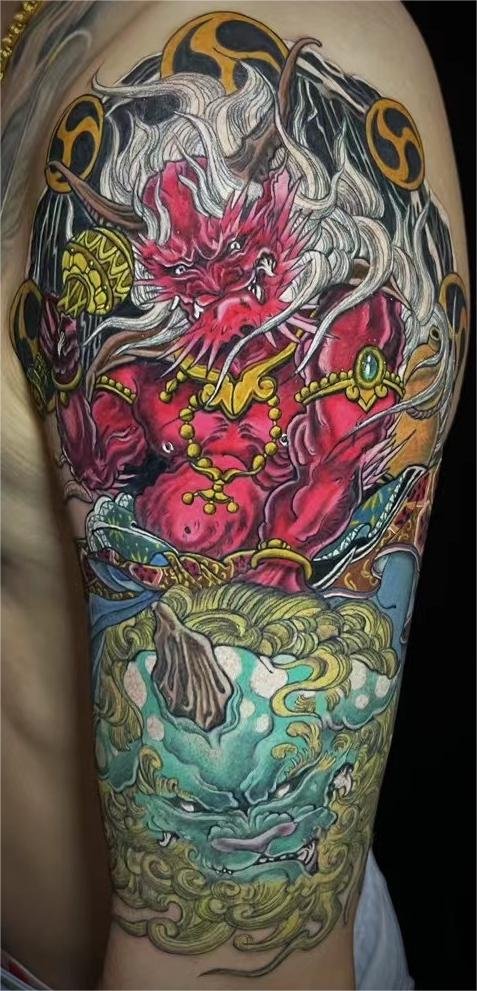
A fresh tattoo is an open wound, so going to the gym after tattoo work needs caution. Heavy sweat, tight kit and shared surfaces can irritate the area or raise infection risk. The safest plan depends on placement, your training style and how your skin is healing rather than a single fixed timeline.
Why one return-to-gym timeline does not fit every tattoo
Tattoos vary in size, depth and location, and so do healing responses. A small wrist piece on a sedentary person heals differently to a large back panel on someone who trains daily. Artists often suggest avoiding strenuous activity and heavy sweating for at least 48 hours, but full surface healing commonly takes four to six weeks.
Because sweat, friction and stretching affect each placement differently, a universal “wait X days” rule can mislead. Someone with a rib tattoo may struggle with core work and tight sports bras, while a calf piece may rub on leggings or bike seats. Your own routine, climate and clothing choices matter as much as the calendar.
Sweat, rubbing, stretching and shared surfaces: separate risks
Sweat and moisture
Sweat itself does not usually “wash out” ink, but it creates a warm, damp environment where bacteria thrive. In the first few days, when the tattoo is weeping plasma and forming a thin scab, excess moisture can soften scabs, irritate raw skin and increase infection risk.
Light sweating after the initial weeping stage is lower risk if you clean the area promptly and keep it dry. Heavy, prolonged sweating in tight or dirty clothing is the bigger concern, especially in humid conditions or when sweat sits against the skin for long periods.
Friction and clothes rubbing new tattoo
Friction from seams, waistbands, sports bras, compression wear or straps can lift scabs, cause micro-tears and blur fine detail. Clothes rubbing new tattoo areas also trap sweat and heat, which slows healing and can lead to irritation or rash.
Loose, breathable fabrics reduce contact and let the area dry between sessions. If your usual kit is tight or abrasive over the tattooed zone, plan alternatives until the surface feels smooth and no longer tender.
Stretching and skin tension
Movements that repeatedly stretch the tattooed skin can crack early scabs and delay healing. Heavy pressing, deep squats, overhead work or explosive lifts may pull on fresh ink depending on placement. This is more about mechanical stress than the act of training itself.
Shared equipment and contact sports
Gym machines, mats, benches and bars carry bacteria from many users. Pressing a fresh tattoo against these surfaces, or engaging in grappling, contact ball sports or martial arts, raises infection risk and adds unpredictable friction. Many artists advise avoiding these for at least several days, longer for large or sensitive pieces.
Upper-body vs lower-body training by placement
Different placements interact with different movements and kit. Use this as a guide, not a prescription.
| Placement | Typical gym stressors | Common friction points | Training adjustments to consider |
|---|---|---|---|
| Shoulder / upper arm | Pressing, pulling, overhead work; bar contact | Bag straps, sports bra edges, tight sleeves | Reduce heavy overhead pressing; avoid bag straps over area; choose loose tops |
| Chest / sternum | Bench press, push-ups, cable flyes; bar and pad contact | Sports bras, heart-rate straps, tight compression tops | Limit heavy pressing early; adjust bra/strap placement; wear soft, loose layers |
| Ribs / side | Core work, twisting, heavy bracing; waistband contact | Waistbands, leggings edges, tight shirts | Scale back intense core and heavy bracing; avoid tight waistbands over area |
| Back / spine | Rows, deadlifts, back extensions; bench and seat contact | Backpack straps, tight tops, seat backs | Moderate heavy pulling early; avoid backpack pressure; choose breathable tops |
| Thigh / hip | Squats, lunges, leg press; seat and machine contact | Shorts seams, leggings, bike seats | Reduce deep squat depth early; avoid abrasive seams; limit cycling if seat rubs |
| Knee / shin | Leg extensions, running, jumping; mat and pad contact | Knee sleeves, tight leggings, socks | Ease into high-rep leg work; avoid tight sleeves over fresh ink; watch mat friction |
| Calf / ankle | Running, jumping, cycling; shoe and sock contact | Sock tops, shoe collars, tight leggings | Delay intense running/jumping if sock or shoe rubs; choose soft, loose hosiery |
These are trade-offs, not bans. If a movement clearly pulls, rubs or soaks the area, modify load, range or clothing until the skin feels settled.
Clothing and equipment contact: practical checks
- Fabric choice: Smooth, breathable cotton or technical fabrics that wick moisture are kinder than rough seams or heavy compression over fresh ink.
- Fit: If a garment leaves marks or feels abrasive on the tattoo, it will likely irritate it during training. Swap to looser options temporarily.
- Straps and edges: Watch sports bra bands, watch straps, backpack straps, waistbands and sock tops. Shift them away from the tattoo or change kit until healing progresses.
- Shared surfaces: Wipe down benches and mats before use, and avoid pressing the tattoo directly onto them in the early days. For contact sports, consider a longer break.
How to modify activity without prescribing a medical plan
You do not need a rigid “do not train for X days” rule to protect a new tattoo. Instead, treat the area like a healing wound and adjust around it.
- First 48–72 hours: Many artists recommend avoiding strenuous activity and heavy sweating while the tattoo is weeping and most vulnerable. Gentle walking in cool conditions is usually fine if the area stays clean and dry.
- Days 4–7 (peeling stage): Light movement is often acceptable if you can keep sweat and friction low. Clean the area soon after any sweating and change out of damp clothing.
- Week 2 onward: As the surface closes and scabs fall away, you can reintroduce moderate exercise gradually. If a session leaves the area sore, very red or weepy, scale back next time.
- Contact and water exposure: Grappling, contact ball sports and swimming in pools, seas or lakes should wait longer, often until the surface is fully closed and no longer scabbing.
If you want structured guidance on what normal healing looks like at each stage, review the tattoo healing stages and match your activity to how your skin feels, not just the date on the calendar.
When to pause and ask your artist or a clinician
Stop training that stresses the area and seek advice if you notice:
- Increasing redness, warmth, swelling or pain beyond typical early soreness
- Pus, foul odour, or thick yellow/green discharge
- Spreading red streaks, fever or feeling unwell
- A large area that looks like a worsening wound rather than a healing tattoo
These can be signs of infection or an allergic reaction that need professional assessment. If in doubt, message your artist and consider seeing a clinician, especially if symptoms worsen or do not settle.
For first-timers planning their first piece and wondering how it might fit with work, sport or travel, read the first tattoo guide for Singapore before you book.
Placement-based decision table for training
Use this table to decide how to approach training around a fresh tattoo. It is not medical advice; it is a way to think through sweat, friction and placement.
| Situation | Safer options | Use caution or modify | Avoid until more healed |
|---|---|---|---|
| Small tattoo, low-friction area (eg outer forearm) | Light weights, machines that do not rub the area | Heavy pressing or pulling if bar/strap crosses tattoo | Grappling, contact sports, swimming |
| Large tattoo or high-movement area (eg ribs, back, thigh) | Walking, gentle mobility, light upper or lower work away from area | Heavy compound lifts that stretch or compress the tattoo | High-sweat HIIT, tight compression over area, contact sports |
| Tattoo under regular kit friction (eg under sports bra, waistband, sock) | Train in looser clothing; shift strap/edge away from tattoo | Continue same kit if it leaves marks or rubs | Long sessions in damp, tight clothing over the area |
| Humid, hot conditions or outdoor training | Cooler times of day, shaded routes, shorter sessions | Midday heat, long sweaty sessions without cleaning after | Saunas, steam rooms, hot yoga in early healing |
If your tattoo crosses a joint or sits where your usual kit applies pressure, expect to adjust load, range or clothing for longer than someone with a low-friction placement.
Planning your next piece with training in mind
If you train regularly, think about placement before you commit. A large back piece, sleeve or chest panel will interact with benches, bars, straps and sweat in ways a small outer-forearm design will not. Sharing your routine and preferred placements with your artist helps you choose spots that fit your lifestyle.
At Yuyi Tattoo, you can send Yuyi your tattoo idea and describe your training schedule and clothing preferences before booking. This helps you pick placements and sizes that work with your routine rather than against it.
Continue planning with Yuyi Tattoo
For the next step, send Yuyi your tattoo idea.
Sources and review date
- American Academy of Dermatology — Caring for tattooed skin — reviewed 20 August 2026.
- Mayo Clinic — Tattoos: Understand risks and precautions — reviewed 20 August 2026.
Frequently asked questions
How soon can I go to the gym after getting a tattoo?
There is no single safe day for everyone. Many artists suggest avoiding strenuous activity and heavy sweating for at least 48 hours while the tattoo is weeping, then easing back over one to two weeks depending on placement, size and how your skin feels. If the area is still tender, scabbing or easily irritated, scale back intensity and friction.
Will sweat ruin my new tattoo?
Light sweat is unlikely to ruin a healed-surface tattoo, but heavy, prolonged sweating in the first few days can soften scabs, irritate raw skin and raise infection risk. The main issue is sweat plus heat, bacteria and tight clothing staying damp against the area. Clean and dry the tattoo soon after any sweating and avoid soaking it.
Can I run or lift weights with a fresh tattoo?
You may be able to do light running or lifting if the tattoo is not in a high-friction zone and you can keep sweat and pressure low. If your usual run or lift routine makes the area rub, stretch or soak with sweat, reduce distance, load or frequency until the surface feels smoother and less tender.
What should I wear to train with a new tattoo?
Choose loose, breathable clothing that does not rub or trap sweat over the tattoo. Avoid tight waistbands, abrasive seams, sports bra edges or sock tops that press on the area. If your normal kit leaves marks or feels rough on the tattoo, switch to softer, looser options temporarily.
When should I stop training and seek help?
Pause training that stresses the area and seek advice if you see increasing redness, warmth, swelling, pus, foul odour, spreading red streaks, fever or a worsening wound-like appearance. These can indicate infection or an allergic reaction that needs professional assessment.
I train most days. How do I plan a new tattoo around my routine?
Tell your artist which days you train, what movements you do and where your kit rubs. You can then choose placements and session timing that avoid your heaviest training days and high-friction zones. For first-timers, the first tattoo guide for Singapore outlines key planning points before you book.
Next step: tell Yuyi your placement and routine before you book
Before scheduling, tell Yuyi where you are thinking of placing your tattoo and what your training week looks like. With that context, you can choose a spot and size that fit your sport, work and clothing, and plan sessions around your heavier training days.
WhatsApp Yuyi to discuss your project: message Yuyi on WhatsApp