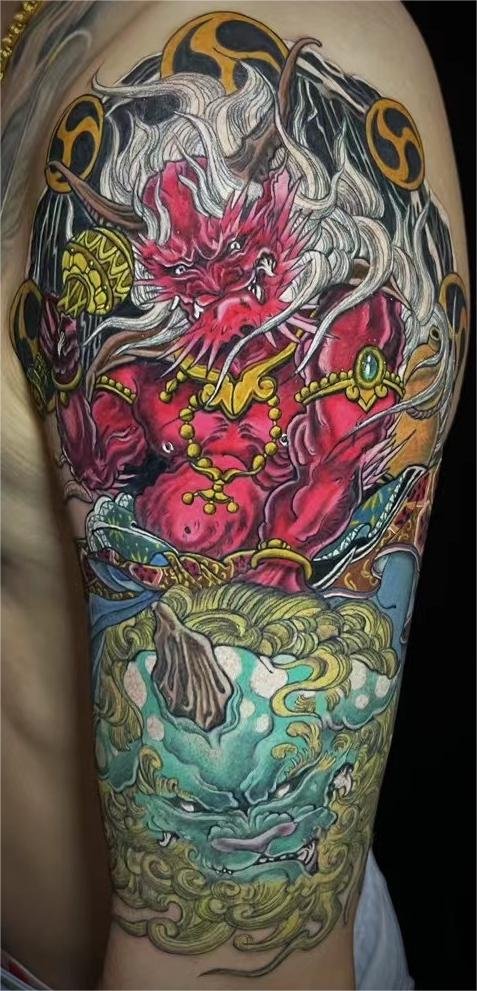
Tattoo aftercare in Singapore centres on keeping a fresh tattoo clean, lightly moisturised and protected from sweat, sun and soaked clothing while you move between outdoor heat and air-conditioned spaces. Climate does not change the basic healing steps your artist gives you, but it does change how often you rinse, how you dress and how you plan commutes.
What Singapore’s climate changes – and what it does not
Singapore sits just north of the equator and stays hot and humid year-round, with average daytime highs around 31–32°C and humidity commonly between 70% and 90%. Rain can arrive suddenly, and indoor spaces such as MRT trains, offices and malls are often kept cool by air-conditioning. These conditions affect how sweat forms, how clothing feels against skin and how quickly a damp shirt dries.
What does not change is the core medical guidance for healing tattoos: gentle cleansing, light moisturising, avoiding submersion in water and protecting the area from friction and direct sun until the skin has re-closed. Your artist’s instructions remain the primary source of truth; Singapore’s weather simply means you may need to rinse more often after sweating, change shirts more frequently and be more deliberate about shade and cover when travelling.
Sweat, friction and damp clothing
A fresh tattoo remains sensitive to friction and trapped moisture during early healing, but the timeline varies by person and project. In Singapore’s humidity, sweat does not evaporate as quickly, so damp clothing can stick to the tattooed area and increase rubbing during walking, commuting or light activity.
- Wear loose, breathable clothing over the tattoo for at least the first week, and longer if the area is in a high-friction zone such as the shoulder, ribs, thigh or under a bra line.
- Choose soft natural fibres such as cotton or linen where possible; avoid rough denim, tight elastics or textured fabrics directly on fresh ink.
- If you sweat on or near the tattoo, rinse gently with lukewarm water and a mild, fragrance-free cleanser, pat dry with a clean paper towel, and allow the area to air out before re-dressing.
- For the first 48–72 hours, avoid workouts or activities that cause heavy sweating; most artists advise waiting at least several days before returning to the gym, and longer for high-friction placements.
Trapped sweat and constant rubbing can lift scabs prematurely, irritate healing skin and increase the risk of infection, so managing clothing and activity is a practical part of tattoo aftercare in Singapore’s humidity.
Sun exposure and outdoor travel
Direct sun is one of the clearest risks to a healing tattoo. Ultraviolet rays can irritate fresh skin and contribute to faster fading once the tattoo is healed, so shade and coverage matter more than sunscreen in the early weeks.
- Keep a new tattoo out of direct sunlight until the surface has healed and feels smooth.
- When you must be outdoors, cover the area with loose clothing and use shade, umbrellas or covered walkways where available.
- Do not apply sunscreen to a fresh, unhealed tattoo; wait until the skin is fully closed and no longer flaking before using SPF on the area.
Singapore’s UV levels are high year-round, so planning routes that minimise midday sun and using covered links between MRT stations, malls and buildings is a simple way to reduce sun exposure after tattoo.
Rain, commuting and workplace clothing
Short exposure to rain is not the same as submerging a tattoo, but arriving at work or home with wet clothing pressed against fresh ink can create a damp, bacteria-friendly environment.
- If you are caught in a shower, rinse the tattoo gently with clean water when you reach shelter, pat dry and change into dry, loose clothing as soon as possible.
- Avoid soaking the tattoo in baths, pools, hot tubs, lakes or the sea for at least two to four weeks, or until the skin has fully re-epithelialised and scabs have fallen off naturally.
- For office settings, keep a spare shirt or blouse at work so you can change if your commute leaves clothing damp from rain or sweat.
The key distinction is between brief wetting and prolonged submersion. Rain that runs over skin and is then dried is far less risky than sitting in wet clothing or immersing the tattoo in standing water.
Cleaning and moisture balance without prescribing products
Healing tattoos need a balance between cleanliness and light hydration. Over-washing, harsh soaps or heavy occlusive layers can all slow healing or irritate skin, especially in a humid climate where the area may already feel moist.
- Wash your hands before touching the tattoo, then cleanse the area gently with lukewarm water and a mild, fragrance-free, antibacterial or sensitive-skin cleanser.
- Pat the area dry with a clean paper towel or soft cloth; do not rub or scrub.
- Apply a simple, fragrance-free moisturiser or the ointment your artist recommends in a thin layer, typically twice a day, to prevent excessive dryness, cracking or itching.
- Avoid petroleum jelly, heavy perfumed creams, exfoliants, alcohol-based products and picking at scabs or flaking skin.
In Singapore’s humidity, you may find that lighter, non-greasy moisturisers feel more comfortable than thick ointments, particularly once the initial weeping phase has passed. Always prioritise the specific routine your artist provides for your tattoo and skin type.
Ordinary healing observations versus warning signs
Normal healing follows a predictable pattern: mild redness and warmth for the first 24–48 hours, some clear or pale-yellow plasma in the first few days, then itching, flaking and light scabbing as new skin forms. Discomfort should gradually improve after the first couple of days.
Warning signs that suggest infection or a reaction needing medical attention include:
- Redness that spreads beyond the tattoo borders after day two or three, especially if it is growing day to day.
- Pain that worsens after 48–72 hours instead of easing, or a tattoo that feels increasingly hot to the touch.
- Thick, yellow, green, brown or foul-smelling discharge, or an unpleasant odor from the area.
- Fever, chills, swollen lymph nodes, or red streaks radiating away from the tattoo.
- A raised, bumpy rash or hives across the tattoo, which may indicate an allergic reaction to ink rather than infection but still requires medical advice.
If you notice two or more of these signs together, or if symptoms are progressing after 48 hours of careful home care, seek same-day medical attention from a primary care doctor or urgent care clinic. Red streaks, high fever, rapidly spreading swelling or feeling systemically unwell are emergency signals that warrant immediate care.
Practical workday and travel checklist
Use this as a simple reference for managing tattoo aftercare in Singapore’s heat, humidity and rain while you commute and work.
- Before leaving home
– Check the weather forecast and plan for rain or strong sun.
– Choose loose, breathable clothing that does not rub the tattooed area.
– Pack a small kit: clean paper towels, a travel-size fragrance-free cleanser, a light moisturiser, and a spare shirt or blouse. - During your commute
– Use covered walkways, mall links and sheltered bus stops where possible to limit sun and rain exposure.
– If you sweat heavily or get caught in rain, rinse the tattoo gently at the nearest restroom, pat dry and change into dry clothing if needed.
– In air-conditioned MRT trains or offices, avoid letting bags, straps or tight layers press directly on fresh ink for long periods. - At work
– Keep the area clean and lightly moisturised according to your artist’s schedule, typically morning and evening.
– If your job involves physical activity, heavy lifting or repetitive friction over the tattoo, discuss adjustments or temporary coverage with your artist beforehand.
– Change out of damp clothing as soon as practical; do not sit in wet shirts or trousers against fresh ink. - After work and exercise
– Avoid intense workouts that cause heavy sweating for at least 48–72 hours, and longer for high-friction placements.
– Continue to avoid swimming, hot tubs and soaking until the tattoo is fully healed, typically two to four weeks.
– Maintain gentle cleansing and light moisturising, and protect the area from direct sun with clothing and shade.
For first-time clients or those unsure how these steps apply to their specific design and placement, read the first tattoo guide for Singapore and ask your artist to tailor the routine to your lifestyle.
Continue planning with Yuyi Tattoo
Continue with read the first tattoo guide for Singapore, see the Geylang tattoo studio, and send Yuyi your tattoo idea.
Sources and review date
- Cleveland Clinic — Tattoo aftercare — reviewed 20 August 2026.
- National Environment Agency — Singapore climate information — reviewed 20 August 2026.
- American Academy of Dermatology — Caring for tattooed skin — reviewed 20 August 2026.
Frequently asked questions
How soon can I exercise after getting a tattoo in Singapore?
There is no single return-to-exercise deadline. Sweat, friction, stretching and shared surfaces matter differently by placement and project size. Avoid activity that repeatedly rubs or soaks the area during early healing, return gradually as the surface settles, and follow the guidance given for your tattoo. Seek medical advice if symptoms worsen.
Is it safe to be outdoors in the sun with a new tattoo?
Keep a new tattoo out of direct sun while the surface is healing. Use shade and loose clothing rather than putting sunscreen on broken or peeling skin. Once healed, the American Academy of Dermatology recommends sun protection for tattooed skin because ultraviolet exposure can fade some inks and affect skin health.
What should I do if I get caught in the rain with a new tattoo?
Brief rain exposure is not the same as submerging a tattoo, but wet clothing pressed against fresh ink can create a damp environment that encourages irritation or infection. When you reach shelter, rinse the tattoo gently with clean water, pat dry with a clean paper towel and change into dry, loose clothing as soon as possible. Avoid soaking in baths, pools or hot tubs until the tattoo is fully healed.
How do I know if my tattoo is infected or just healing normally?
Normal healing includes mild redness and warmth for 24–48 hours, some clear plasma in the first few days, then itching and light flaking as new skin forms. Warning signs include spreading redness beyond the tattoo borders after day two or three, worsening pain, thick yellow or green discharge, foul odor, fever, chills or red streaks radiating from the area. If you notice two or more of these signs, or feel systemically unwell, seek same-day medical attention.
Can I swim in the sea or a pool while my tattoo is healing?
No. Do not submerge a healing tattoo in pools, the sea, lakes, rivers or hot tubs. Wait until the surface is fully closed, smooth and free of scabs, flakes or tenderness. The timing varies, so use skin condition and the instructions provided for your tattoo rather than a fixed universal countdown.
How should I dress for work and commuting with a new tattoo?
Choose loose, breathable clothing that does not rub directly on the tattooed area, especially for the first week. In Singapore’s heat and humidity, natural fibres such as cotton or linen can help reduce trapped sweat and friction. Keep a spare shirt at work in case rain or sweat leaves your clothing damp, and avoid tight elastics, rough denim or textured fabrics over fresh ink until the surface is smooth.
Next steps and consultation
Follow the aftercare instructions provided for your specific tattoo, and ask Yuyi when practical steps are unclear for your placement, lifestyle or work environment. If you are planning a new piece or want to discuss how to manage healing around your routine, send Yuyi your tattoo idea via WhatsApp. message Yuyi on WhatsApp
You can also see the Geylang tattoo studio for in-person consultations and view the space before booking.
Health guidance in this article reflects current dermatology and public-health sources and was reviewed on 2026-08-20. Always prioritise the instructions given by your tattoo artist and seek medical care if you suspect infection.