
If you want a Vanda Miss Joaquim-inspired tattoo, bring a reliable photograph of that flower rather than asking for any purple orchid. Similar colours do not make two orchids the same subject.
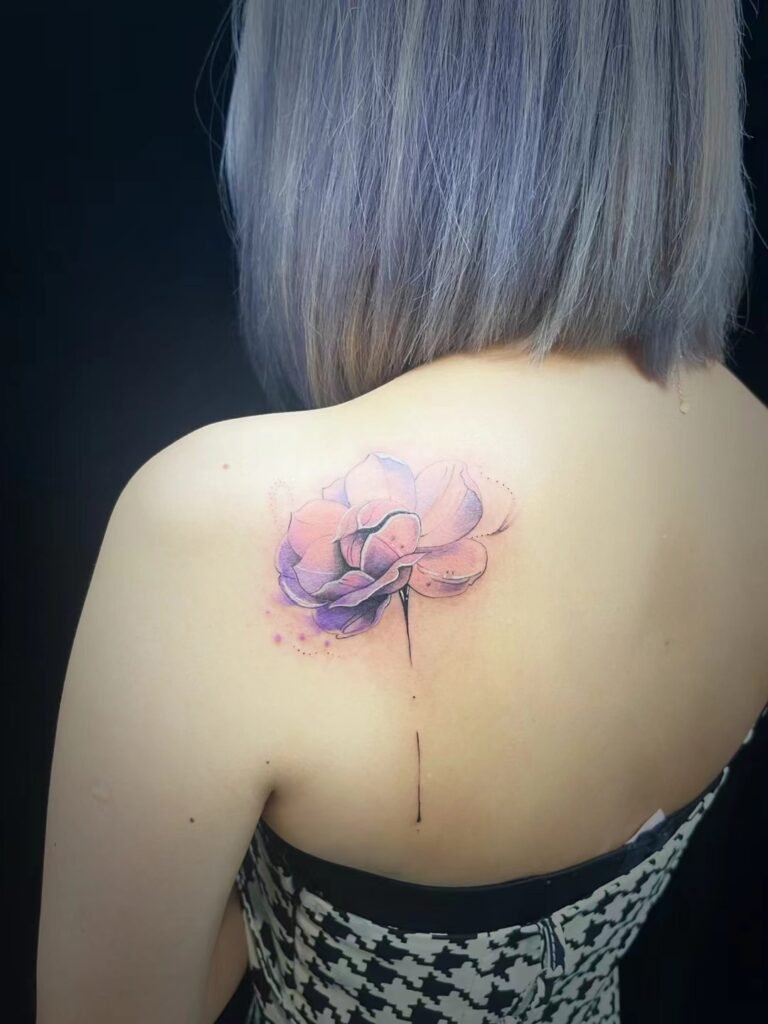
Choose the flower angle first
A front view explains the flower’s shape; a three-quarter view gives more depth. A side view may turn a recognisable orchid into an abstract form. Decide whether identification or movement matters more before adding a stem.
- Keep the distinctive central shape visible.
- Compare one bloom with a short spray rather than compressing a full plant.
- Use fewer overlapping petals when the design is small.
- Decide whether colour carries the reference or whether line and shading are sufficient.
Separate the reference from the finished design
Your reference identifies the plant. The artist still needs to redraw it for the placement, remove unnecessary background leaves and choose a readable direction. A botanical photograph is not a ready-made stencil.
Keep one botanical identity through the revisions
A reference folder may contain several orchid types under similar image labels. Choose the main plant reference and keep it beside the draft when reviewing changes. If a petal is simplified or turned for the placement, ask whether it still preserves the feature that identifies the flower you wanted.
Compare a single bloom, two blooms at different angles and a short stem. Those can have quite different space requirements. If you want the tattoo to be recognisable as a particular orchid rather than just floral, make that priority explicit before size is fixed. Do not rely on purple colour alone to establish the identity.
Take a recognisable flower reference to Yuyi Tattoo’s Singapore tattoo studio and explain which features matter in your custom design brief. The artist can then discuss the drawing and proposed size together.

