
A progress photograph may show a complete-looking face beside an unfinished background. Before judging the composition, find out what the session was meant to accomplish. A partial stage is not automatically the finished design.
Ask for a simple stage legend
For the photograph you are discussing, ask the artist to distinguish:
- Areas intended to remain open skin.
- Areas with an outline or early tonal work only.
- Sections considered complete for the current stage.
- Work planned for a later appointment, if any.
You cannot reliably assign those labels from the photograph alone. A light area might be deliberate space or work not yet attempted. Do not treat every gap as a missing detail that needs filling.
Read a partial composition on its own terms
Imagine a greywash portrait with the face developed and a surrounding fabric shape only partly described. The useful question is whether the facial expression and main light-and-dark groups are heading in the agreed direction. Demanding a darker border immediately may conflict with the background planned for later.
Ask what can meaningfully be reviewed now and what depends on unfinished sections. If the proposed next stage would change the mood you approved, raise that before proceeding rather than waiting until every space is dark.
Keep progress and healing labels separate
“Complete for this session” does not tell you whether the photograph is fresh or taken later. Request that context separately. A session-stage label is not a diagnosis of the skin or a prediction of its later appearance.
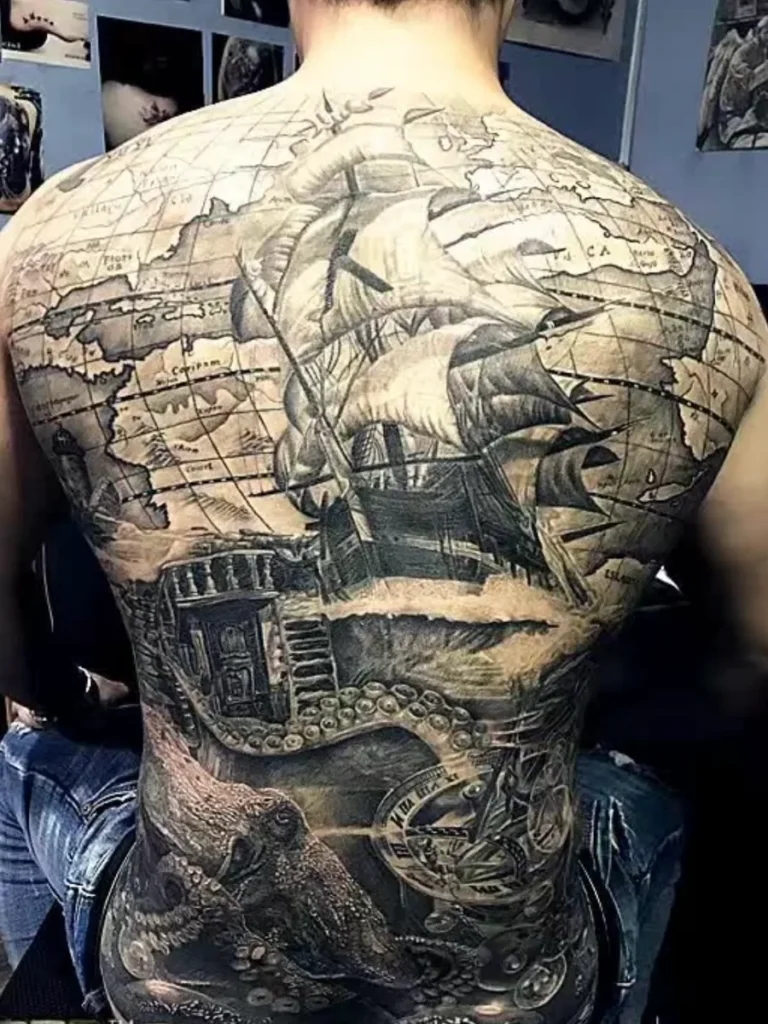
When discussing Yuyi’s black-and-grey work, ask what a particular image records. The ship photograph accompanying this article is not identified as an unfinished stage or a verified healed result; the portrait example is hypothetical.

