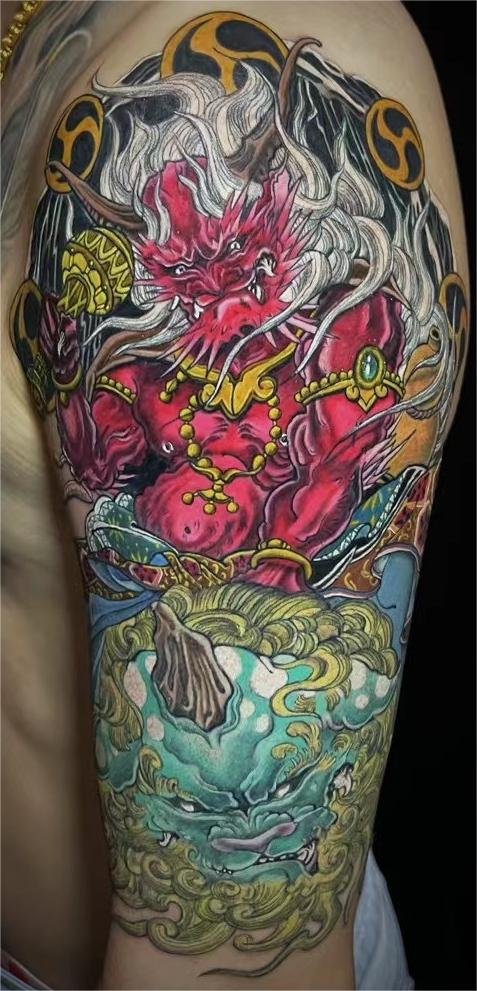
A tattoo is discreet only in relation to the clothes you actually wear. A sleeve that covers it while standing may lift when you reach for a shelf, and a neckline can shift when you sit.
Use a uniform test
Wear your normal work outfit and mark the proposed design boundary with a temporary paper guide. Check it while reaching, sitting and bending. Include presentation days, short-sleeved uniforms and any required protective clothing in the test.
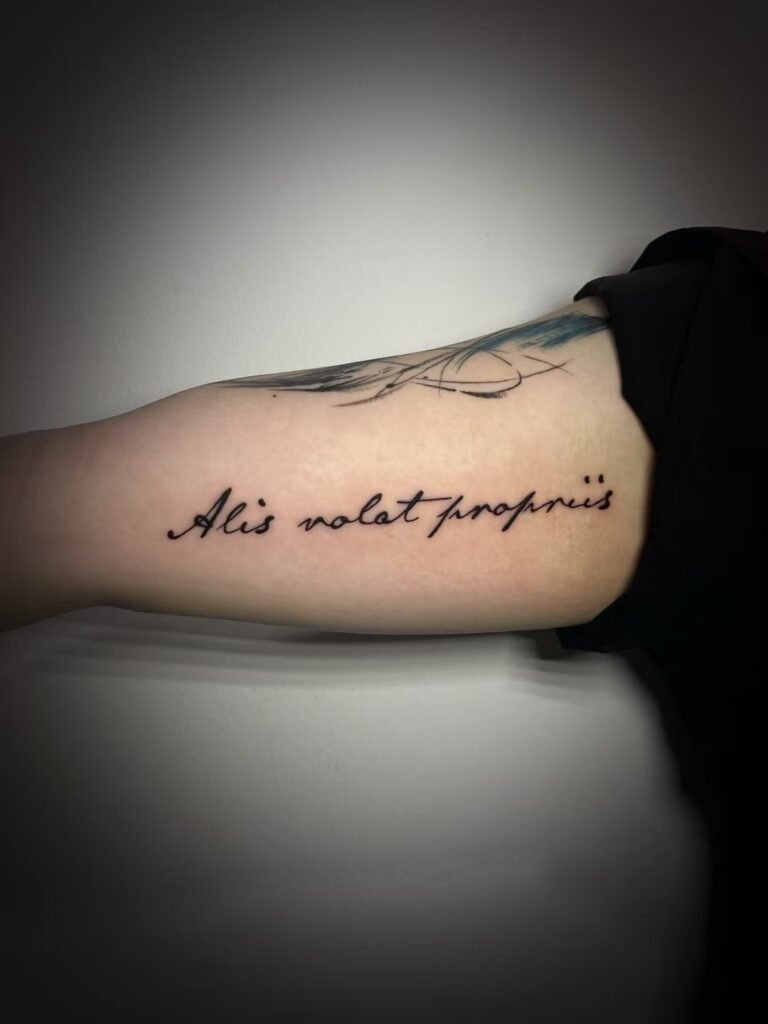
- Upper arm: measure the lowest sleeve edge, not the shoulder seam.
- Upper back: check both the collar and side openings.
- Torso or upper thigh: compare waistbands, skirt lengths and changing requirements.
Ask about policy, not industry stereotypes
Do not assume banking, technology or a particular job title has a universal tattoo rule. Ask your employer about the role, placement and any future uniform changes. A watch, bandage or makeup is not automatically an accepted solution.
Draw the covered zone before the tattoo outline
On a placement photo, mark the area that remains covered in every required outfit and normal movement. Then compare the proposed design inside that zone. If a flower’s tip repeatedly falls outside it, do not treat the tip as too small to count: move or redesign the composition.
Separate mandatory workwear from outfits you merely prefer. A different weekend shirt may be easy to choose; a uniform may not be. Consider likely role changes only to the extent you can verify them, without trying to predict every future employer. The result should be an honest visibility decision, not a promise that the tattoo can always be hidden. If the needed margin makes the design too cramped, another body area may preserve both the artwork and the practical boundary.
Bring the clothing boundary to a custom design consultation at Yuyi Tattoo. Keeping the full design inside that area is more reliable than choosing a size first and hoping a sleeve covers it.