Choosing your first tattoo placement depends on balancing personal pain tolerance, daily clothing friction, professional visibility, and the physical proportions of your chosen design. While areas with thicker skin and muscle tissue—such as the outer upper arm and outer thigh—often present less acute discomfort, there is no universally painless spot. Practical accessibility for daily aftercare and how easily you can conceal or display the ink remain equally critical factors for first-time clients.
Why there is no universally best or least painful first tattoo placement
Every individual perceives tattoo sensations differently, meaning no single location serves as a guaranteed painless canvas. Pain is entirely subjective and influenced by subcutaneous fat distribution, proximity to bone, nerve density, fatigue, and individual pain thresholds. While medical literature from dermatological institutions acknowledges that nerve-dense regions experience sharper stimulus, translating this into an absolute numerical score misleads first-time clients.
The idea of the least painful tattoo placement also overlooks anatomical movement and post-session recovery. A location that feels manageable during the needle application might cause significant soreness during daily movement over the following fortnight. If you want to compare general nerve sensitivity across various body parts before booking, you can use the tattoo pain chart to understand regional differences. Ultimately, your choice should balance personal comfort with how the artwork complements your muscle contours.
Practical comparison of six popular first tattoo placement areas
Different body parts offer distinct advantages depending on whether your priority is easy healing, simple concealment, or room for artistic expansion.
FIRST TATTOO PLACEMENT COMPARISON

┌──────────────────┬──────────────────┬─────────────────┬─────────────────┬──────────────────┐

│ BODY AREA │ SENSATION LEVEL │ WORK VISIBILITY │ CLOTHING RUB │ AFTERCARE ACCESS │

├──────────────────┼──────────────────┼─────────────────┼─────────────────┼──────────────────┤

│ Outer Upper Arm │ Mild / Moderate │ Easy to cover │ Very low │ High (One hand) │

│ Outer Forearm │ Moderate │ Highly visible │ Low / Moderate │ High (Both hands)│

│ Outer Thigh │ Mild / Moderate │ Fully hidden │ Moderate / High │ High (Reachable) │

│ Outer Calf │ Moderate │ Moderate │ Low with shorts │ High (Flexible) │

│ Shoulder Blade │ Moderate / Sharp │ Easy to cover │ High (Straps) │ Low (Hard reach) │

│ Upper Back │ Moderate / Sharp │ Easy to cover │ High (Seams) │ Low (Needs help) │

└──────────────────┴──────────────────┴─────────────────┴─────────────────┴──────────────────┘
Outer upper arm (deltoid and bicep)
The outer upper arm remains a classic choice for beginners because it provides a relatively flat muscular surface with moderate nerve density. It is simple to cover with a standard short-sleeved shirt, making it practical for formal working environments. Washing and applying lotion here requires minimal flexibility, allowing straightforward solo aftercare.
Outer forearm
The outer forearm offers an accessible view of your artwork and accommodates vertical, illustrative, or script designs naturally. While the skin over the wrist and near the inner elbow crease can feel sharp, the flat muscular plane of the mid-forearm is generally manageable. However, it is visible whenever you wear short sleeves or roll up your cuffs, requiring consideration if your workplace expects covered ink.
Outer thigh
The outer thigh provides a broad, flat canvas with substantial muscle and subcutaneous tissue that cushions the tattoo process. It remains completely hidden under office trousers, knee-length skirts, or dresses. The main challenge involves friction from tight denim or tailored work trousers during the initial week of healing.
Outer calf
The outer calf works well for medium-sized vertical compositions and circular emblems. Sensation is moderate along the muscular belly of the gastrocnemius, though it sharpens as the needle nears the shin bone, ankle, or behind the knee. In warm climates, wearing shorts keeps this area cool and free from fabric abrasion.
Shoulder blade and upper back
The shoulder blade offers a broad, smooth plane that supports detailed realism and traditional motifs without public visibility. The needle sensation can intensify over the scapula bone and spine, where skin is thinner. Because reaching your upper back with both hands is difficult, you will likely need assistance when washing and moisturising the area.
Workplace visibility and professional considerations in Singapore
Tattoo acceptance across Singapore has expanded significantly, yet workplace dress codes still vary widely between industries. While creative agencies, tech startups, and culinary fields rarely place restrictions on visible tattoos, conservative sectors—including corporate finance, legal practices, healthcare, and certain public service roles—often require tattoos to remain covered during client-facing duties.
Under guidelines issued by the Tripartite Alliance for Fair and Progressive Employment Practices (TAFEP) and the Ministry of Manpower (MOM), employers may establish appearance policies based on reasonable occupational requirements. If you anticipate working in formal environments, choosing a placement that sits beneath standard business attire—such as an upper arm, shoulder, or thigh—gives you control over when your ink is seen. You can read the first tattoo guide for Singapore to explore how local climate and professional routines influence long-term tattoo decisions.
Managing friction, humidity, and daily aftercare access
A successful tattoo outcome relies heavily on the healing environment, particularly in tropical climates where heat and humidity induce frequent perspiration. According to wound care principles from the American Academy of Dermatology (AAD), tattooed skin behaves as an open epidermal wound that must be kept clean, hydrated with light water-based lotions, and protected from tight, abrasive fabrics.
AFTERCARE REALITY: CLIMATE & FRICTION

┌─────────────────────────────────┐ ┌─────────────────────────────────┐

│ TROPICAL CLIMATE FACTORS │ │ PLACEMENT FRICTION HAZARDS │

│ • High ambient humidity │ │ • Waistbands & belt lines │

│ • Sweat buildup under dressings │ INTERACTION │ • Tight trouser legs & denim │

│ • UV exposure on exposed limbs │ ──────────────> │ • Backpack & shoulder bag straps│

│ • Need for breathable cotton │ │ • Bra straps & undergarment seams│

└─────────────────────────────────┘ └─────────────────────────────────┘
When evaluating a placement, consider the physical movements and clothing choices of your daily routine:
- Waistbands and undergarments: Tattoos placed on the lower ribs, hips, or upper pelvis experience continuous friction from elastic bands, belts, and underwear edges.
- Bags and straps: Heavy backpack straps press directly against the clavicle and shoulder blades, irritating fresh ink during commutes.
- Limb mobility and joints: Placements across inner elbows, wrists, and behind the knees undergo constant creasing, which prolongs the peeling phase.
- Physical reach for cleaning: If you live alone, selecting an area you can wash and moisturise with one hand avoids irregular aftercare routines.
How design scale, anatomy, and future expansion influence placement
Artwork should always follow the natural curves and muscle flow of the body rather than treating the skin as a flat sheet of paper. Placing a small, circular piece in the middle of an expansive area like the upper back or outer thigh can leave the composition looking adrift, while also fragmenting space needed for future projects.
DESIGN SHAPE TO BODY PLACEMENT MATCHING

┌───────────────────────────┬────────────────────────────────────────────────────────┐

│ DESIGN GEOMETRY │ RECOMMENDED ANATOMICAL PLACEMENT │

├───────────────────────────┼────────────────────────────────────────────────────────┤

│ Tall & Vertical │ Outer Forearm, Inner Forearm, Outer Calf │

│ Broad & Horizontal │ Upper Back, Chest, Across Shoulder Blades │

│ Circular or Organic Flow │ Deltoid Cap, Outer Thigh, Scapula │

└───────────────────────────┴────────────────────────────────────────────────────────┘
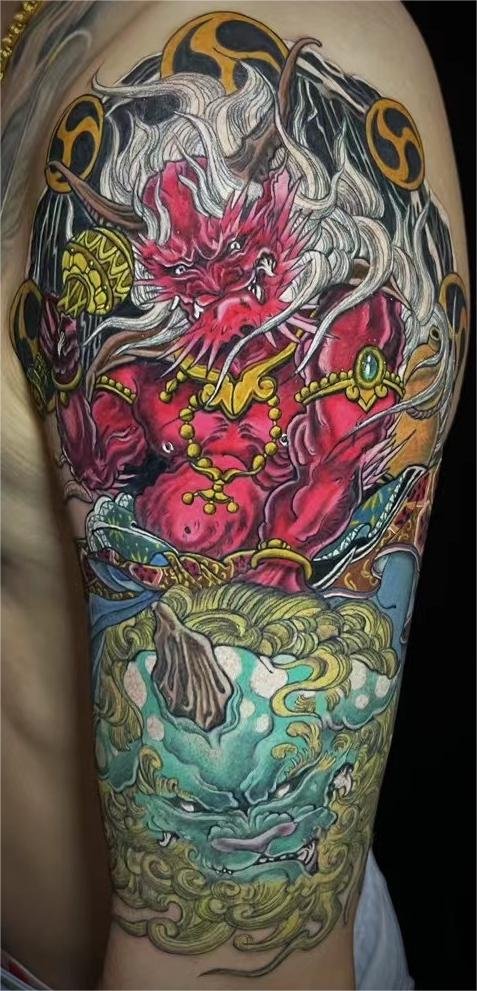
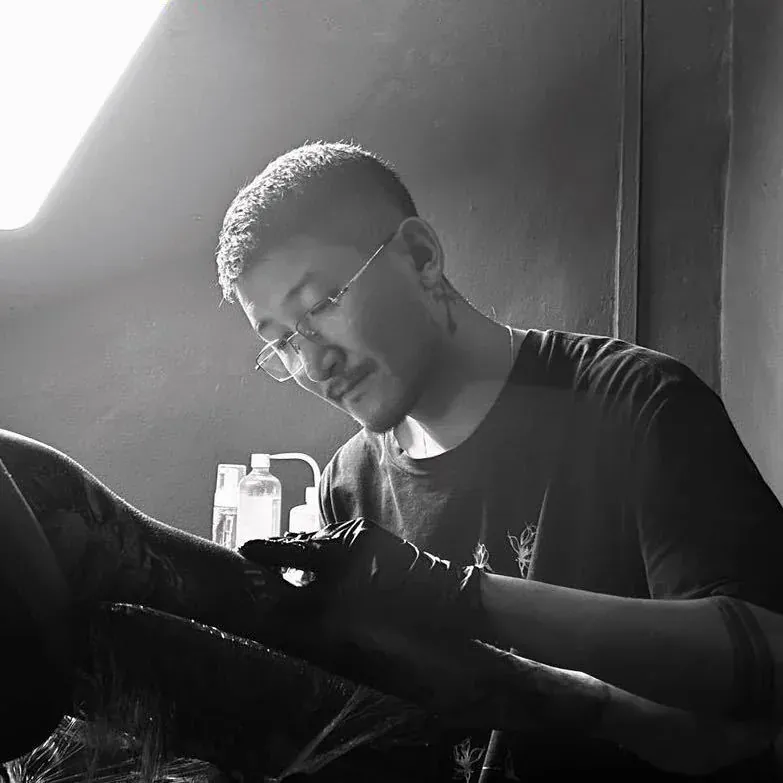
If you appreciate large-scale black-and-grey realism, Japanese-inspired flow, or full sleeve concepts, plan your first placement with continuity in mind. Centring a small motif on your upper outer arm might restrict future sleeve compositions. You can view Yuyi’s tattoo work to see how custom realism pieces and traditional flow are proportioned to fit natural anatomical contours.
Structured decision framework for first-time placements
To help you weigh the practical trade-offs of each body location, the table below compares visibility, friction vulnerability, and structural suitability:
| Placement Area | Everyday Visibility | Sensation Profile | Clothing Friction Risk | Space for Future Expansion |
|---|---|---|---|---|
| Outer Upper Arm | Concealed by polo/T-shirt | Mild to moderate | Low (standard sleeves) | High (integrates into full sleeve) |
| Outer Forearm | Visible in short sleeves | Moderate | Low to moderate (watch straps) | High (connects to sleeve) |
| Outer Thigh | Fully concealed in pants/skirts | Mild to moderate | Moderate (tight pants/trousers) | High (expands to leg sleeve) |
| Outer Calf | Visible with shorts/skirts | Moderate | Low to moderate (socks/pants) | Moderate (standalone or leg piece) |
| Shoulder Blade | Fully concealed in office wear | Moderate to sharp near bone | Moderate to high (bra/backpack straps) | High (integrates into back piece) |
| Upper Back | Fully concealed | Moderate to sharp on spine | High (collars, backpack friction) | High (natural base for full back) |
Practical questions to discuss during your studio consultation
A thorough consultation helps resolve placement uncertainties before any ink is applied. When meeting your artist, consider discussing the following practical points:
- Natural limb movement: How does this design twist or compress when I sit, walk, or rotate my arm?
- Clothing boundaries: Will my standard work shirts, uniforms, or gym attire rub against the edges of this stencil?
- Scale and detail: Is this design large enough for the fine lines and shading to remain legible over years of natural skin aging?
- Future collection plans: If I eventually expand this into a sleeve or larger panel, does this placement leave clean structural borders?
- Aftercare accessibility: Will I be able to wash, dry, and apply thin layers of lotion to this spot on my own twice daily?
Sources and review date
- American Academy of Dermatology — Caring for tattooed skin — reviewed 20 August 2026.
- Singapore Ministry of Manpower — Tattoo discrimination parliamentary reply — reviewed 20 August 2026.
Frequently asked questions
What is generally considered the best place for a first tattoo?
The outer upper arm is widely considered the best place for first tattoo projects because it provides smooth muscle padding, low nerve sensitivity, and simple concealment under a standard shirt. It is also completely accessible for one-handed washing and moisturising during the two-week healing window.
Which tattoo placement is the least painful for beginners?
The least painful tattoo placement typically features thicker skin and moderate muscle with fewer superficial sensory nerve endings, such as the outer deltoid, outer forearm, or outer thigh. Bone-adjacent spots like the collarbone, ribs, and spine generally trigger sharper, more acute sensations.
How do I choose a tattoo placement for work in Singapore?
When selecting a tattoo placement for work in Singapore, evaluate your organisation’s client interaction expectations and dress code policies. Placements situated above the mid-bicep, on the shoulder blade, or across the upper thigh remain discreetly covered under business shirts, formal blouses, and office trousers.
Does sweating in Singapore affect where I should place my tattoo?
Yes. Heavy sweating softens healing skin and can trap bacteria under adhesive films or tight synthetic fabric. Placements located along the waistband, sports bra lines, or joint creases accumulate moisture rapidly, requiring looser cotton garments and diligent hygiene during tropical recovery.
Can I change my placement on the day of the appointment?
Yes, you can adjust the placement when your artist applies the stencil. The stencil allows you to view the design in a full-length mirror, inspect how it moves with your posture, and reposition it before tattooing begins.
Discuss your placement with Yuyi Tattoo
If you have a design concept in mind but are deciding between two placements, an in-person or digital composition assessment will clarify which location best fits your anatomy. Contact Yuyi Tattoo via WhatsApp to send your reference ideas and your two preferred body placements for a direct composition review.