
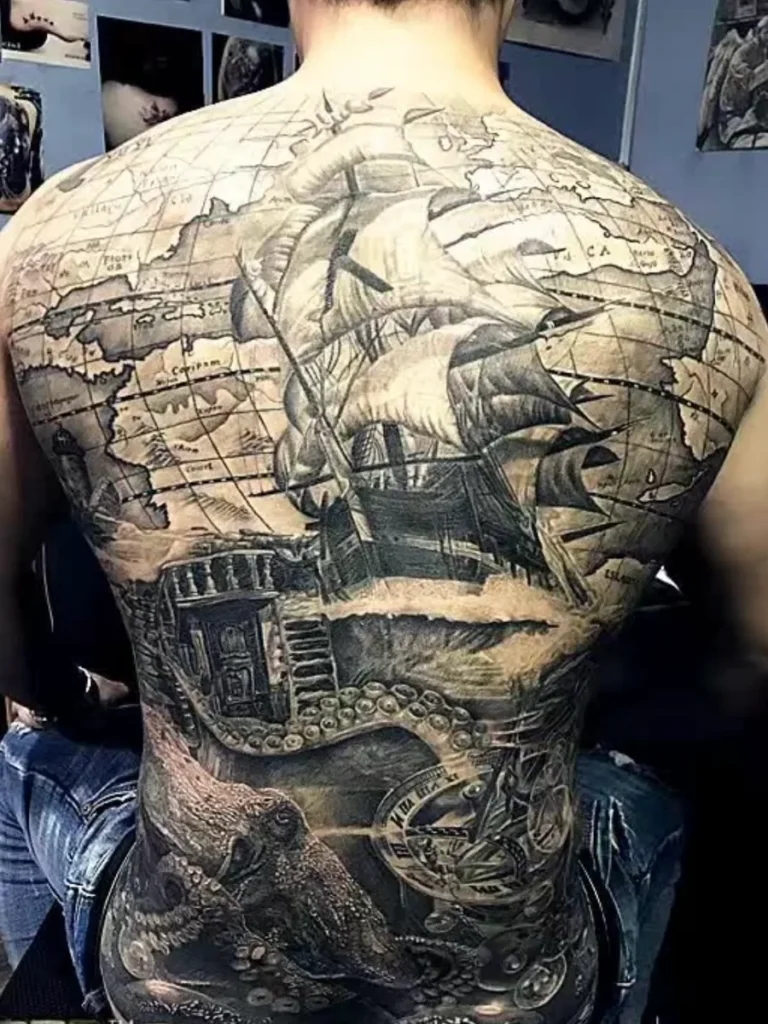
Multi session tattoo planning works best when you prepare the inputs you can control: the brief, reference images, placement photos, availability windows, budget questions, health considerations and communication after each stage. It does not work by guessing a fixed number of sessions, hours or completion date before the design exists.
For a large tattoo project, the schedule is the result of the design, the body area, how each stage is executed, how the skin responds and how the artist wants to review healed work. Preparation should separate those design and health realities from appointment logistics. That separation makes the project calmer and more accurate.
Why fixed schedules are the wrong starting point
Clients often want to know the final schedule first because it feels practical. Travel plans, work leave and budget all matter. The problem is that a schedule built before the design is mapped is usually a guess. A sleeve, back piece, leg sleeve or chest-to-sleeve project may change once the artist sees the body, existing tattoos, skin condition, reference complexity and how much negative space the design needs.
A better first question is: what information would let the artist plan responsibly? Once the composition, scale and first stage are clear, the studio can discuss how to organise appointments. Until then, the most useful preparation is not choosing dates. It is building a brief that reduces uncertainty.
Yuyi Tattoo’s large-scale tattoo planning page explains this approach for back pieces, sleeves and other large work. Scope comes before schedule.
Build a brief that answers the real planning questions
A large tattoo brief should be specific without pretending to be a finished design. The artist needs to know the direction, not receive a locked collage. Include:
- The body area and intended coverage.
- The main subject or theme.
- Any secondary motifs that are important.
- Style direction: black and grey, colour, Japanese-inspired, realism-influenced, illustrative or undecided.
- References with notes on what you like in each one: shape, mood, contrast, movement, not just the image itself.
- What you do not want: motifs, placements, density or visibility limits.
- Whether the project may extend later into another area.
Keep the brief honest. If you are unsure, say so. “I know I want a shoulder-to-chest piece with black-and-grey value and open negative space, but I am undecided on the main subject” is more useful than forcing a weak idea just to sound prepared.
Send placement photos, not only inspiration images
Reference images explain taste. Placement photos explain the actual canvas. For multi-session tattoo planning, placement photos are often what turn a vague idea into a workable conversation.
Take photos in good light, standing naturally, without flexing or twisting to make the area look different. For arms and legs, send front, back, inner and outer views. For back projects, send straight-on and side views. For chest-to-sleeve or shoulder-to-chest projects, include front, side and three-quarter views. If there are existing tattoos, send close photos as well as full-area photos so the artist can see both detail and location.
Do not crop too tightly. A tattoo that may extend across the shoulder needs the shoulder and neighbouring areas visible. A leg sleeve needs the knee and calf even if the first idea begins on the thigh. A multi-session project is about relationships between areas, not a single isolated patch of skin.
Plan availability as windows, not promises
It is reasonable to tell the studio when you are generally available. It is not useful to build the entire project around a self-invented timeline. Share work constraints, travel dates and blackout periods, then let the artist explain what can be confirmed at each stage.
Think in windows rather than demands. For example, say that you are usually available on weekdays, or that you will be in Singapore during a certain range of dates, or that you prefer not to book near a major event. That gives the studio useful information without forcing a promise before the design is ready.
For overseas clients, this distinction matters even more. Do not book flights around an unconfirmed tattoo plan. Use WhatsApp to confirm what can be discussed remotely, what needs in-person assessment, and whether your dates can realistically support the first stage.
Separate health preparation from booking logistics
Health preparation is not the same as appointment scheduling. Booking questions are about dates, deposit rules, design steps and communication. Health questions are about whether your skin and body are suitable for tattooing at that time.
Before a long tattoo project, tell the studio if there are relevant skin problems on the planned area, recent reactions, allergies, medication issues or medical conditions that could affect the appointment. If the issue is medical, ask a qualified healthcare professional rather than expecting a tattoo studio to diagnose it. The American Academy of Dermatology advises seeing a dermatologist if tattooed skin has a reaction or changes, and the FDA notes that tattoos can be associated with infections, allergic reactions and other adverse events.
On the practical side, arrive rested, fed and prepared according to the studio’s instructions. Avoid turning this into a universal medical formula. People differ, projects differ and the artist’s preparation instructions may change with the placement. If you are unwell or the planned area has irritation, raise it before the appointment rather than hoping it will be fine on the day.
Understand tattoo session spacing without inventing an interval
Tattoo session spacing depends on what was tattooed, where the next stage sits, how the area looks as it settles and how the artist wants to work. There is no responsible universal interval that applies to every large project. A sleeve, back piece and leg sleeve can all require different decisions, and even two sleeves can be planned differently.
What can be said is that tattooing creates a wound in skin, and the next stage should respect recovery and professional assessment. NCBI Bookshelf’s wound-healing overview describes wound repair as a biological process involving overlapping phases rather than a single instant event. For clients, the practical takeaway is simple: do not pressure the next appointment onto skin that has not been cleared for more work.
After each session, follow the aftercare instructions given for that appointment. If you notice signs that concern you, contact the studio for tattoo-specific guidance and seek medical care when symptoms suggest a health issue. HealthHub Singapore’s wound care guidance lists infection signs such as fever, pus, spreading redness, swelling and swollen lymph nodes as reasons to seek medical help.
Budget questions: ask what is confirmed and what is still variable
A long tattoo project needs budget planning, but it should not be reduced to an invented fixed number. The quote depends on scale, design complexity, placement, style, density, colour or black-and-grey approach and how the stages are organised. Do not assume a fixed price table, hourly rate, deposit amount or completion promise; ask for the terms that apply to your project.
Use the tattoo price guide to prepare better questions. Ask what information is needed for a project-specific quote, what is confirmed before payment, what remains variable after the design stage, and how changes in scope are handled. Keep price, schedule and design as related but separate topics so one uncertain point does not blur the whole project.
If this is your first large tattoo, read the first tattoo guide as well. A first tattoo that happens to be large needs more preparation, not more guesswork.
Keep a record after each stage
Multi-session work benefits from calm documentation. After each stage, keep the appointment notes, the aftercare instructions, and healed photos once the skin has settled enough for review. Do not edit the photos heavily. Good light and honest angles are more useful than dramatic contrast.
When messaging the studio between stages, be specific. Instead of “Is it ready?” send a clear photo, the date of the last appointment, and the question you need answered. If you are asking about the next design stage, separate that from health concerns. If you are asking about a possible reaction, describe what you see and seek medical advice if symptoms are concerning.
This record helps the artist plan the next stage and helps you remember what was confirmed. It also prevents old assumptions from becoming false promises later in the project.
A practical preparation checklist
Before the first consultation, prepare:
- Full placement photos and close photos of existing tattoos.
- A written brief with main subject, coverage and style direction.
- References annotated with what you like and what you do not want copied.
- Your availability windows, travel constraints and blackout dates.
- Questions about quote structure, payment steps and what is confirmed before booking.
- Relevant health or skin information to raise privately and appropriately.
- Loose clothing or practical preparation requested by the studio for the appointment.
- A plan to photograph healed stages in clear light for review.
When your brief is ready, contact Yuyi Tattoo or send a WhatsApp enquiry to +65 9128 0501. The studio is in Geylang, Singapore.
Sources and review date
- American Academy of Dermatology — Caring for tattooed skin — reviewed 24 August 2026.
- U.S. Food and Drug Administration — Tattoos & Permanent Makeup: Fact Sheet — reviewed 24 August 2026.
- NCBI Bookshelf — Physiology, Wound Healing — reviewed 24 August 2026.
- HealthHub Singapore — Wound Care — reviewed 24 August 2026.
Frequently asked questions
How far apart should tattoo sessions be?
There is no universal spacing that applies to every project. It depends on the area worked, the next stage, how the skin is settling and the artist’s assessment. Ask the studio what must be checked before the next appointment rather than relying on a generic interval.
Can I book all sessions before the design is finished?
Usually, it is better to confirm the project in stages. You can share availability windows early, but the exact appointment plan should follow the design, placement and first-stage assessment. A locked schedule built too early can become inaccurate.
What should I send for a large tattoo project quote?
Send placement photos, close photos of existing tattoos, subject, coverage, style direction, references and availability notes. A useful quote conversation depends on real project information, not only on the word “sleeve” or “back piece.”
What if I feel unwell before a tattoo session?
Raise it before the appointment and follow the studio’s instructions. If the issue is medical or involves the planned skin area, speak with a qualified healthcare professional. Do not treat a tattoo appointment as separate from your current health.
How do I keep a multi-session project organised?
Keep the brief, appointment notes, aftercare instructions, healed photos and confirmed decisions in one place. After each stage, send clear photos and specific questions. Good records reduce confusion and help the next stage build on what is actually there.

