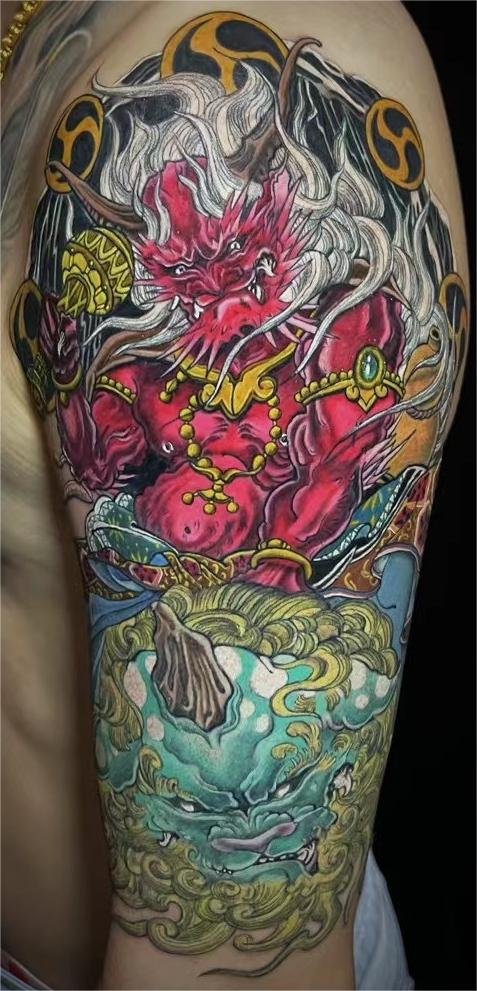
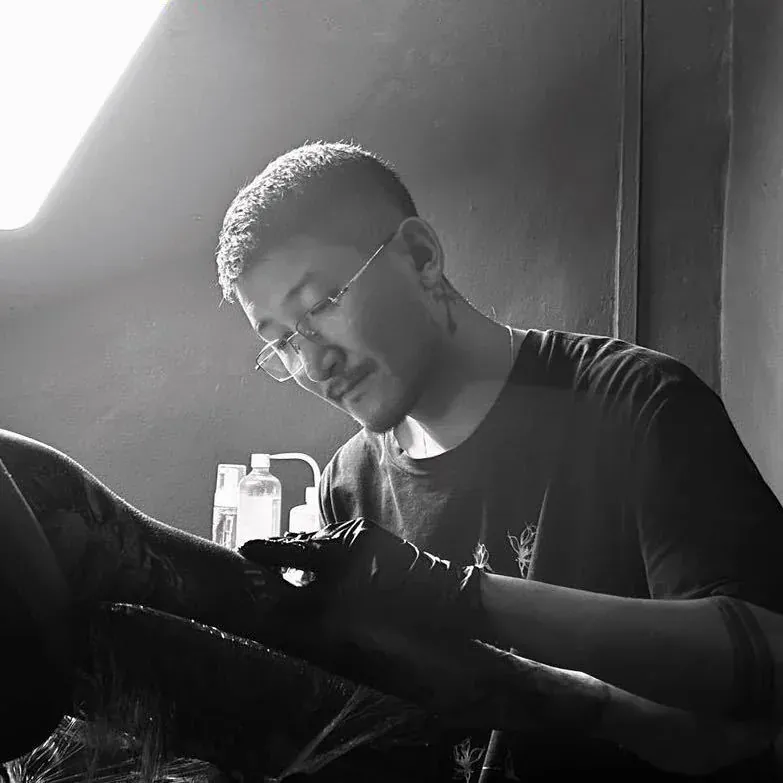
A photograph can show the position of a scar, but it cannot establish whether tattooing it is appropriate. A decorative tattoo also does not remove a raised or indented surface.
Separate medical suitability from design
If the scar is changing, uncomfortable, raised or associated with ongoing treatment, discuss it with a dermatologist or treating clinician before planning a tattoo. The AAD’s keloid guidance explains that tattooing can cause keloids in susceptible people.
Prepare an honest consultation brief
- When and how the scar formed, and whether it has changed.
- Relevant treatment and any history of unusual scarring.
- A photo showing the whole surrounding area, not only a close-up.
- Whether you want to frame, incorporate or visually distract from the scar.
Ask what the artist can assess in person and where medical input is needed. Do not accept a fixed waiting period as proof that every scar becomes suitable on that date.
What an honest design assessment should leave unresolved
The artist may need to see the area in person and still decline the project. A preliminary sketch does not answer medical suitability, and a clinician’s assessment does not predict exactly how the tattoo will look over a textured surface.
Discuss the alternative of working around the scar rather than directly over it. For example, a surrounding composition can direct attention to a chosen subject while leaving a visible boundary. If complete concealment is the only acceptable result, say so early; the consultation may establish that the expected outcome is not realistic.
Contact Yuyi Tattoo for a preliminary design discussion after resolving medical questions. Availability of a suitable approach is not a promise of invisible texture or complete concealment.