You can sleep after a tattoo, but try not to put sustained body weight, repeated rubbing or damp fabric directly on the new area while it is sensitive and healing. Set up a clean bed, choose a position that keeps the placement clear, and follow the covering instructions given for your tattoo. There is no single night on which direct pressure becomes suitable for everyone.
Clothing follows the same condition-based rule. Loose, clean garments are usually easier to manage than tight waistbands, compression layers, rough seams or straps. Return to fitted clothing only when the surface is settled enough that the garment does not stick, drag, leave pressure marks or make the area more uncomfortable. Placement matters because a shoulder, rib, back, arm and leg meet different parts of a bed, commute and work outfit.
Think in contact points, not only sleep positions
The useful question is not simply whether you are a side, back or stomach sleeper. It is where the tattoo touches something, how long that contact lasts and whether movement turns pressure into friction. A shoulder tattoo may avoid the mattress but sit beneath a pyjama seam. A calf may remain clear when you lie down, then rub against the opposite leg as you turn. A rib tattoo can meet both the mattress and an elastic band.
Make a quick contact map before bedtime:
- Stand in the clothes you intend to sleep in and locate every seam, cuff, band and label near the tattoo.
- Lie in your normal position, then check the points where your body meets the sheet, pillow and mattress.
- Roll as you naturally would. A position that starts clear may not stay clear.
- Notice anything else that crosses the area, including long hair, a watch, jewellery or another limb.
- Adjust the position and garment rather than adding an improvised dressing.
The covering applied after a session has its own wear and removal instructions. Do not treat general guidance, a pillowcase or a loose bandage as a replacement for them. If the covering leaks, lifts, feels wrong or conflicts with what you were told, ask the artist who provided it.
Set up the bed before the appointment
Freshly laundered sheets and sleepwear give you a simple starting point. Clear crumbs, pet hair and textured throws from the sleeping area. If you share the bed, allow enough room to avoid accidental contact with another person. Health New Zealand advises loose clothing and avoiding shared clothing or towels while a tattoo heals; it also suggests avoiding a shared bed if possible. That is practical infection-control guidance, not a demand to buy special bedding.
Pillows can act as position reminders. For example, a pillow behind your back may make it less likely that you roll onto a shoulder or side placement. A pillow between the knees can reduce leg-to-leg rubbing. They should support a comfortable posture rather than press against the tattoo or immobilise you in a way that causes pain elsewhere.
Keep the room comfortably cool if heat normally makes you sweat. The aim is not to chill the skin or direct strong airflow at it. It is to reduce the chance of waking in damp sleepwear that has been moving against the same spot for hours. If fabric or a sheet becomes stuck, do not pull it away abruptly. Follow the cleaning and release guidance supplied for your tattoo, or contact the artist if that situation was not covered.
Plan sleep by placement
Shoulder and upper arm
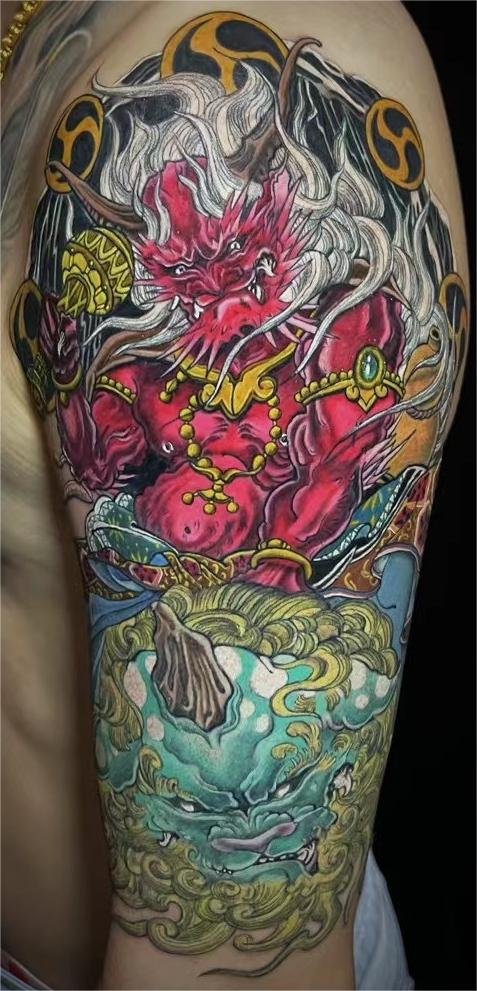
A side sleeper may need to use the opposite side or a supported back position when the tattooed shoulder would carry weight. Check T-shirt sleeve hems, dropped shoulder seams and armholes. They can cross the design even when the main fabric feels loose. During the day, backpack straps and tote handles recreate the same pressure, so changing the bag can matter as much as changing the shirt.
Ribs and side torso
Rib placements interact with side sleeping, waistbands, bra bands and twisted fabric. A roomy top does not help if a lower elastic edge still sits on the tattoo. Test the whole outfit while sitting and reaching, because a band that looks clear while standing may slide upward. At night, use the opposite side or another comfortable position that keeps the tattoo from being pinned beneath the torso.
Upper and lower back
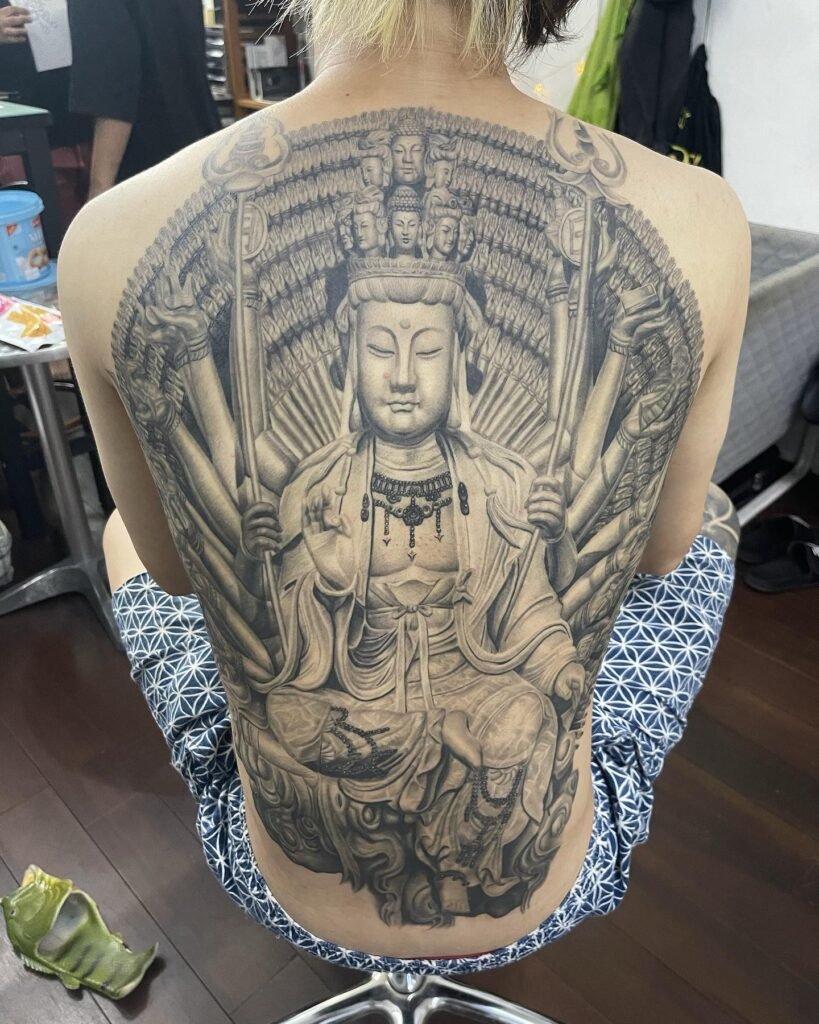
Back tattoos make direct inspection and pressure control harder. A back sleeper may need a temporary side or front position that does not create a new contact problem. Look for central seams, fasteners, bra clasps and fabric folds. At work, chair backs, vehicle seats and backpacks can add far more contact time than a brief touch from a shirt.
Forearm and upper arm
Arm tattoos are easier to see but easy to trap under the body. Keep the arm outside the torso rather than folded underneath it, and check whether the opposite hand or wrist rests on the area. Long sleeves should move freely without a tight cuff or rough internal seam. A watch, fitness band or desk edge may be the main daytime friction point.
Thigh, calf and lower leg
Leg placements can meet the opposite leg, a trouser seam, chair edge, sock top or shoe collar. Loose trousers are useful only if their fabric does not swing and scrape with every step. For a thigh tattoo, inspect underwear edges and the chair you use most. For a calf, test trouser taper and how the leg rests against a sofa, car seat or office chair.
These checks deal with post-appointment contact. If you are still deciding where the design should sit, use the first tattoo placement guide for the separate pre-appointment decision about visibility, scale and body area.
Choose fabric by behaviour rather than a label
“Breathable” and “natural” are useful shopping terms, but fit and surface are what the tattoo experiences. A soft fabric that clings tightly can rub more than a smooth, roomy synthetic garment. Cotton may feel comfortable, yet a thick cotton seam can still drag. Linen can be airy but textured. Technical fabric may dry quickly but sit under compression.
Use a short physical test:
- Move the garment gently across the surrounding, untattooed skin. It should not feel coarse.
- Sit, bend and reach. Check whether the material pulls tight or gathers over the placement.
- Look for internal labels, zips, hook-and-loop fasteners and raised stitching.
- Check whether the fabric stays dry during the actual commute or job.
- Keep a clean change available if rain, sweat or a spill is likely.
Dark sleepwear may make incidental marking less visible, but colour does not make a dirty garment suitable. Cleanliness, fit and contact matter more than whether a fabric is black, white, cotton or marketed for sport.
Work clothing and commuting can create longer friction than sleep
A night position can be adjusted once the bed is prepared. A uniform, office chair or commute may press the same area for hours, so test the entire day rather than concentrating only on bedtime.
For office clothing, check collars, tailored armholes, waistbands and jacket lining while seated. If a required uniform crosses the tattoo, discuss the placement and work routine before the appointment instead of assuming a dressing will solve it. Do not claim a medical exception or alter safety equipment without your employer’s approval.
For travel, inspect bag straps, seat belts and vehicle seats. A cross-body strap may cross a rib or chest tattoo; a backpack can sit over the shoulder or back; a lap belt can meet the hip or lower abdomen. Repack into a lighter bag, change how it is carried, or arrange a route that reduces prolonged pressure where practical. Safety restraints still need to be worn as designed.
Physical jobs add kneeling pads, harnesses, aprons, protective sleeves and repeated movement. Training, stretching and shared equipment bring their own contact patterns, covered separately in the workout-after-tattoo guide.
When can tight clothes return?
There is no dependable answer based only on a number of days. Cleveland Clinic advises avoiding tight clothing until a tattoo is fully healed, and the European Academy of Dermatology and Venereology warns against activities and clothing that irritate through friction and sweating. Healing pace, project size, placement and the garment itself all change the decision.
Judge the contact, not the calendar. A fitted garment is still too demanding if it sticks, catches flakes, presses a tender surface, traps sweat, leaves an edge mark or makes the area feel worse during normal movement. A smoother surface and comfortable contact are more useful signs, but they are not a remote medical clearance. If you are uncertain, ask the artist who can account for the tattoo and covering method. For broader skin changes during healing, see the tattoo healing stages guide.
Introduce fitted items gradually. Try the least abrasive option for a short, ordinary period and inspect the area afterwards. Do not begin with a full workday in compression wear or a rough uniform. If contact causes irritation, return to the lower-friction option and seek advice if symptoms are concerning or worsening.
Bring your real routine into the consultation
Before booking, list your normal sleep side, work clothes, commute bag, uniform requirements and any placement-specific equipment. Photographs of the proposed body area in ordinary clothing can reveal a seam or strap that a bare-skin placement photo misses.
Send the intended placement, approximate boundaries and these routine constraints through the Yuyi Tattoo contact page. The purpose is to discuss friction before the appointment, not to promise a particular healing schedule or product. Specific aftercare and covering instructions must be confirmed for the individual tattoo.
Sources and review date
- Health New Zealand: Tattoos; reviewed 24 August 2026.
- Cleveland Clinic: Tattoo Aftercare Tips From a Dermatologist; reviewed 24 August 2026.
- European Academy of Dermatology and Venereology: Tattoo Aftercare; reviewed 24 August 2026.
Frequently asked questions
Can I sleep on a tattoo after a tattoo?
You can sleep, but avoid placing sustained body weight directly on the new tattoo while the area is sensitive, damp or easily rubbed. Use a comfortable alternative position, clean bedding and the covering instructions supplied for the tattoo. There is no universal night when direct pressure becomes suitable for everyone.
How long after a tattoo can I sleep on the tattooed side?
Use the condition of the surface and the kind of contact rather than a fixed countdown. If the area is tender, sticking to fabric, shedding onto the sheet or irritated by pressure, keep using another position. Ask the artist if you are unsure how the covering changes that plan.
Can I wear tight clothes after a tattoo?
Avoid tight clothing over a healing tattoo. Compression, elastic edges and fitted seams can combine pressure, sweat and rubbing. Choose a clean, lower-friction alternative until the garment can move normally without sticking, leaving marks or irritating the surface.
What if my work uniform covers the new tattoo?
Test the uniform while sitting and moving, including every seam, band and item of protective equipment. Discuss an alternative garment or appointment timing before the session if the required clothing presses the placement. Do not remove workplace safety equipment to protect a tattoo.
What should I do if clothing or bedding sticks to a new tattoo?
Do not pull it away quickly. Use the release and cleaning instructions given for your tattoo, because covering methods differ. If those instructions do not address stuck fabric, contact the artist for guidance; seek medical care for worsening pain, spreading redness or other concerning symptoms.